

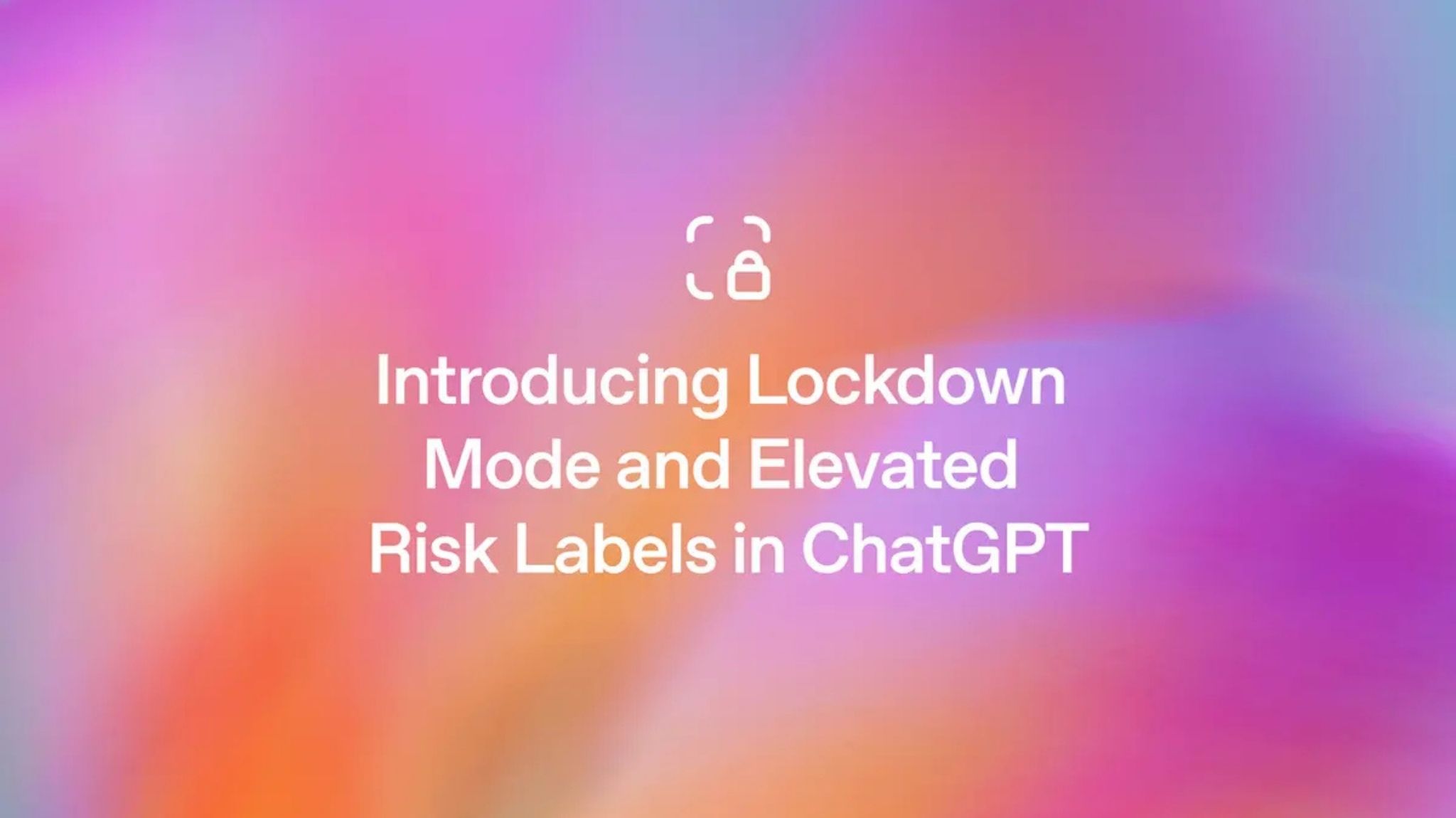
In a major push to bolster user security, OpenAI has introduced a robust new defensive framework named “Lockdown Mode” for its ChatGPT platform. The security update is specifically engineered to protect individuals and businesses from prompt injection attacks—a sophisticated cyber threat where malicious, hidden instructions embedded in web pages or documents hijack the AI’s behavior to compromise data or covertly steal user information.
When activated, Lockdown Mode acts as a strict containment shield for the chatbot. It tightly restricts ChatGPT’s outbound communication capabilities, preventing the AI from executing unauthorized external network requests that threat actors often use for data exfiltration. To maintain this high-security baseline, the mode systematically deactivates several of the platform’s advanced, dynamic capabilities. This includes disabling the deep research module, automated agent modes, and live internet browsing, which forces the system to rely solely on safely cached data. Furthermore, any direct file download features are temporarily blocked while the mode is active.
Recognizing the critical importance of data security, OpenAI is making this protective feature universally available, rolling it out across all account tiers, including Free, Plus, and Enterprise plans. Alongside Lockdown Mode, the company has also launched a comprehensive active session management dashboard. This new utility allows users to easily monitor, track, and instantly revoke permissions for any connected devices or active browser tabs accessing their ChatGPT account, providing granular control over their digital workspace