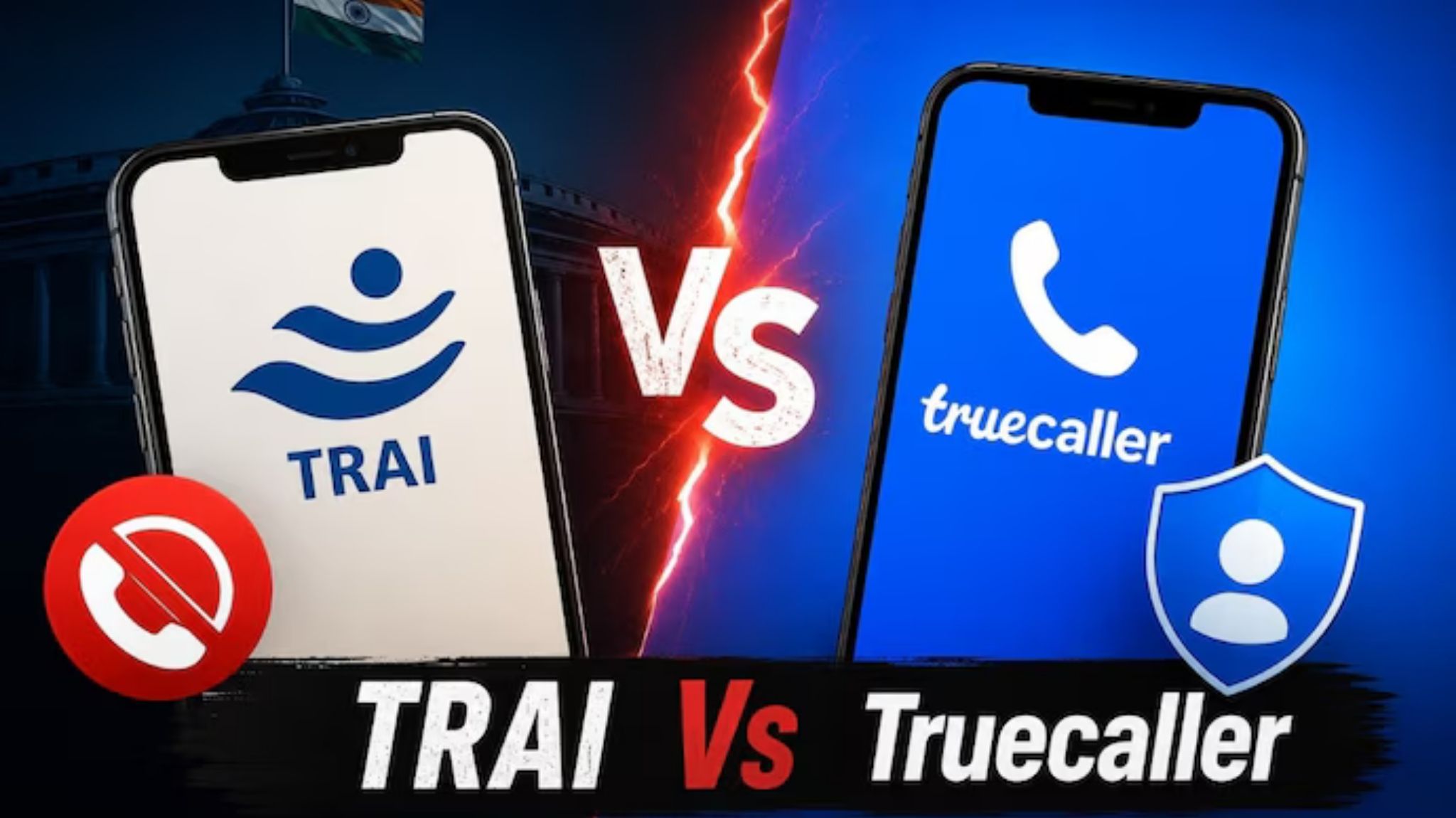
A major regulatory showdown has erupted between India’s telecom watchdog and caller-identification giant Truecaller. Truecaller CEO Rishit Jhunjhunwala publicly warned that a government mandate forcing apps to “whitelist” specific corporate number prefixes has backfired severely, effectively giving spammers and telemarketers a free pass to bombarding consumers.
The Source of the Conflict: 140 and 1600 Series Prefixes
At the center of the dispute is an anti-spam framework finalized under the Telecom Commercial Communications Customer Preference Regulations (TCCCPR). To help consumers identify legitimate business communication, the Telecom Regulatory Authority of India (TRAI) established dedicated number series:
-
140 Series: Reserved exclusively for promotional calls made by registered telemarketers.
-
1600 Series: Designated strictly for service and transactional notifications—such as account balances, delivery updates, and fraud alerts—from financial entities regulated by the RBI, SEBI, IRDAI, and government agencies.
However, alongside the rollout of these designated prefixes, TRAI legally mandated that caller ID apps like Truecaller completely “whitelist” both series. This meant platforms were strictly barred from appending red “Spam” warnings or applying crowd-sourced filters to any calls coming from these numbers, regardless of how many users manually flagged them.
Mass Exploitation and the Consumer Backlash
Jhunjhunwala revealed that Truecaller had aggressively lobbied against the directive prior to compliance, warning regulators that creating an unmonitored channel would invite widespread abuse.
“The aim of the designated series was to create a channel that is trusted, and what has happened is they’ve created a channel which is distrusted,” Jhunjhunwala stated. He noted that businesses have weaponized the safe channel—frequently using the transactional 1600 series to make aggressive promotional marketing pitches for credit cards and loans because they know the app is barred from labeling them as spam.
The fallout has triggered a massive consumer backlash. According to Truecaller’s internal ecosystem data:
-
Over 5.1 crore (51 million) calls from the 140 and 1600 series go completely unanswered by Indian users every single day due to a total collapse of consumer trust.
-
Indian consumers ignore 81 percent of all 140-series telemarketing calls and 79 percent of all 1600-series service calls.
-
Users are executing a massive manual workaround, logging over 5.25 lakh daily blocking actions (4 lakh on the 140 series and 1.25 lakh on the 1600 series) on Truecaller. Daily manual blocks on the banking-focused 1600 series alone have skyrocketed by over 208 percent since October 2025.
TRAI Defends Framework While Pursuing Expanded Regulatory Powers
In a formal press clarification, TRAI vigorously defended its system. The regulator argued that under India’s Do Not Disturb (DND) framework, consumers have the legal right to block or allow promotional calls by industry sectors. TRAI claimed that third-party tagging or crowdsourced spam warnings are anti-consumer because they risk filtering or misleading users who might have otherwise opted in to receive commercial notifications from a specific sector.
Concurrently, the regulatory battle is shifting toward a jurisdictional fight. TRAI has officially approached the Ministry of Electronics and Information Technology (MeitY) seeking the statutory power under the IT Act to directly regulate third-party caller ID software like Truecaller, Hiya, and Whoscall. Proposed regulatory amendments hint that platforms refusing to comply with the total whitelisting of official series could lose their Section 79 safe harbor legal immunity.
Truecaller, which maintains a user base of roughly 350 million citizens in India, criticized TRAI’s push for more powers. Jhunjhunwala labeled the censorship of vital community data as a move that creates an “open playground” for bad actors, urging the government to penalize the businesses misusing the network rather than the platforms working to protect vulnerable consumers.