
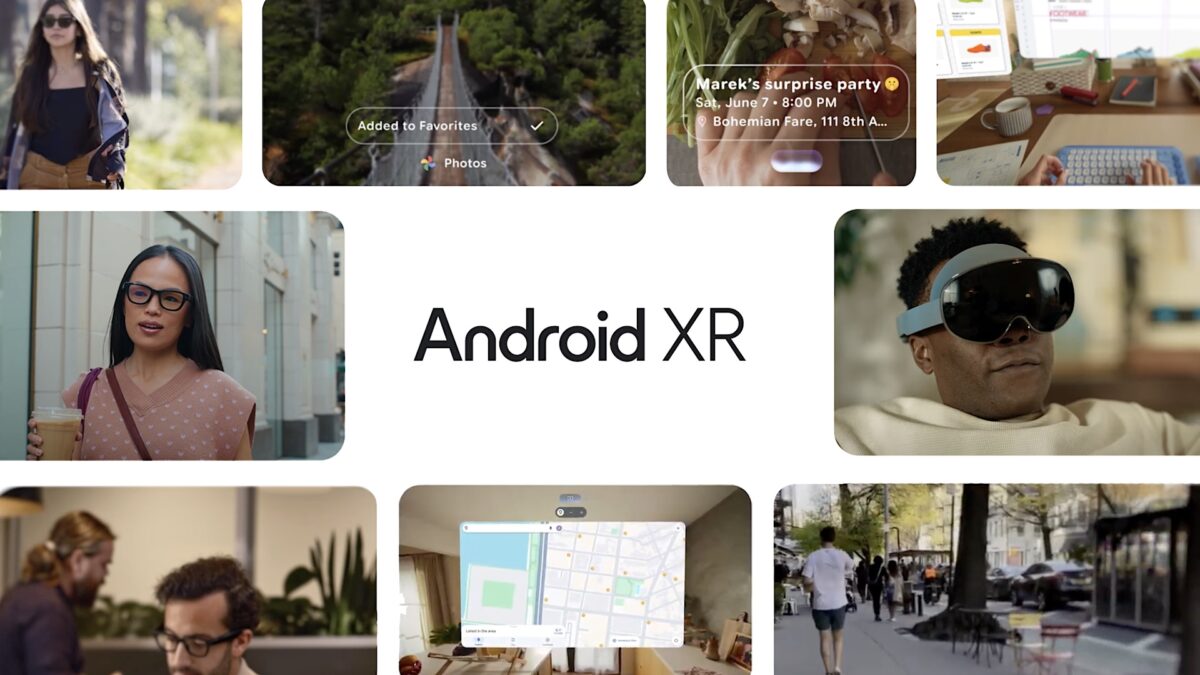
Google is pushing the boundaries of AI-powered experiences with the next evolution of Android — a new platform called Android XR, built specifically for immersive technology in the Gemini era. This latest innovation reflects Google’s ambition to bring contextual, hands-free assistance to more personal and immersive devices such as headsets, smart glasses, and other extended reality (XR) gear.
Unlike traditional digital assistants, Gemini integrated into Android XR is designed to see the world from your perspective, responding in real time as you engage with both the physical and virtual environments around you. This move expands the scope of the Gemini assistant, previously showcased on phones, smartwatches, TVs, and automotive displays, now extending into spatial computing.
With Gemini built into XR devices, users gain a fully immersive assistant experience, capable of offering help based on what the user sees. Whether navigating through apps, responding to visual cues, or performing contextual actions, the assistant aims to minimize manual input, allowing users to remain hands-free and present in their environment.
A major part of this initiative is Samsung’s upcoming XR headset, codenamed Project Moohan, expected to launch later this year. Developed in collaboration with Qualcomm, this headset will leverage Android XR to deliver infinite screen experiences — immersive environments that merge digital content with physical space.
By embedding AI intelligence directly into these devices, Android XR aims to redefine user interaction by creating a system that not only listens and responds but also understands what the user is looking at and acts accordingly.
This marks a major step in Google’s broader strategy to integrate AI across devices and platforms, positioning itself as a leader in the growing market of wearable and spatial computing technologies.