
Ad creative used to be one of the slowest parts of any marketing campaign. Between briefing a designer, waiting on drafts, running approval rounds, and producing platform-specific variations, a single campaign could take weeks before the first ad actually went live. That timeline is shrinking fast, largely because AI-powered ad generation tools have started handling a meaningful chunk of that production work directly.
What an AI Ad Generator Actually Does
At its core, an AI ad generator takes a product description, a brand brief, or existing assets and produces finished ad creative — banner ads, social ad variations, product-focused visuals — without requiring a designer to build each one manually. Instead of starting from a blank canvas for every platform and format, marketing teams describe what they need and get usable creative back in minutes.
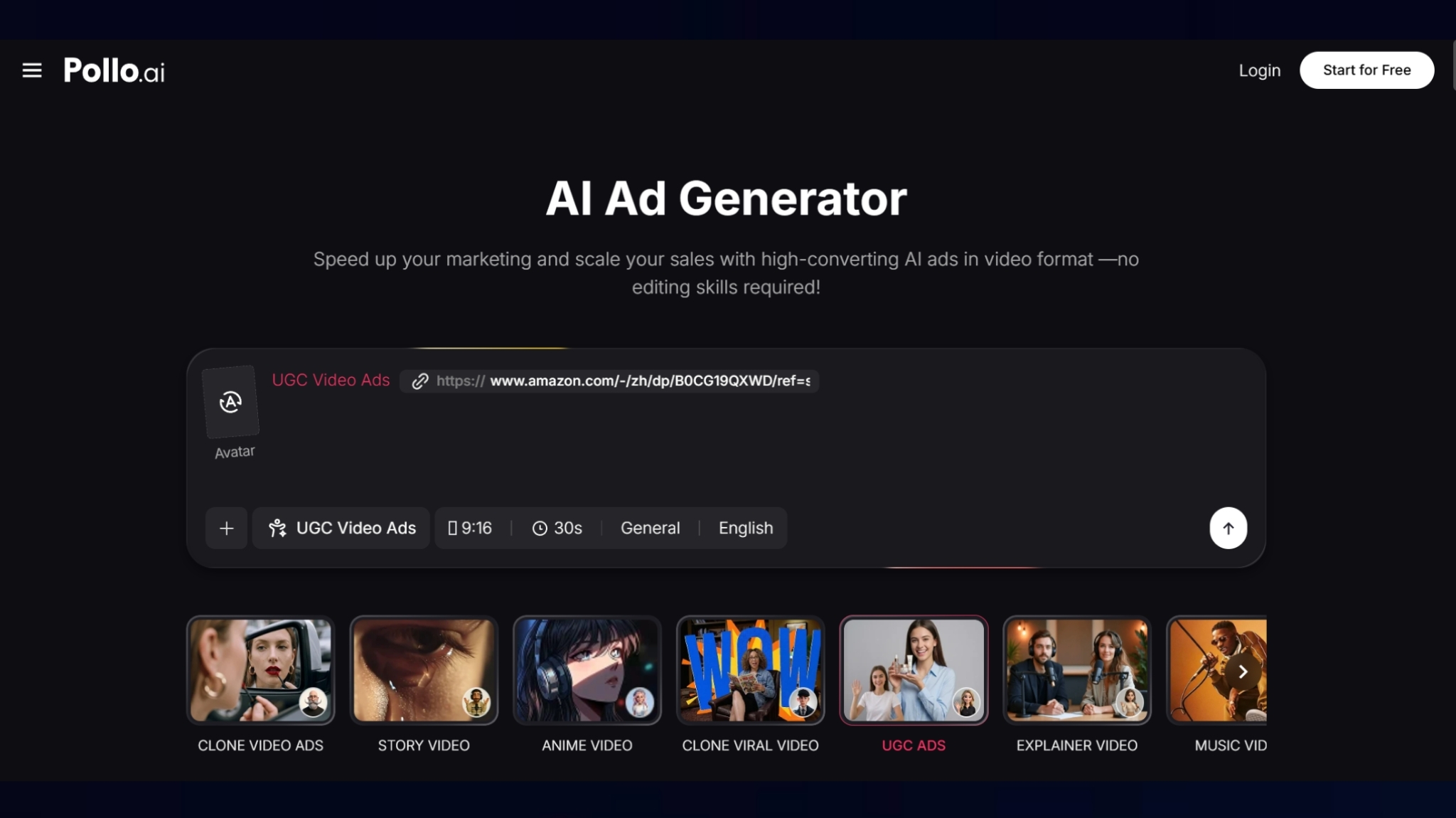
Pollo AI’s AI ad generator works this way, producing campaign-ready visuals directly from a product photo or a written brief. For teams running frequent campaigns — seasonal promotions, product launches, A/B tested ad variations — this shifts the bottleneck away from production capacity and toward strategy, since generating an additional creative variation no longer means booking more designer time.
Why This Matters More Now Than It Used To
Modern ad campaigns rarely run with a single creative. Platforms like Meta and Google reward advertisers who test multiple ad variations, and short-form video platforms expect frequent creative refreshes to avoid ad fatigue. This has quietly raised the volume of creative a typical campaign actually needs — not just one polished ad, but five or ten variations testing different angles, formats, and messaging.
Producing that volume manually was rarely realistic for smaller marketing teams, which meant many campaigns ran with fewer creative variations than would have been ideal, simply because production couldn’t keep pace with what the platforms rewarded. AI-generated ad creative closes that gap directly, letting a small team test the same range of creative that a much larger, well-resourced team could previously afford to produce.
Where AI-Generated Ads Fit Into a Real Campaign
Consider a typical product launch: a marketing team needs a hero banner for the landing page, several social ad variations testing different hooks, and platform-specific formats for Instagram, Facebook, and display networks. Handled manually, that’s a substantial design workload spread across a tight launch timeline.
Generating these directly from a product brief compresses that timeline significantly, and it also makes iteration far cheaper. If an early ad variation underperforms, a team can quickly generate alternatives rather than treating every creative change as a new design request that competes for limited production time.
Matching Photorealistic and Illustrated Styles to the Campaign
Not every ad needs the same visual style. A product-focused ad often benefits from a photorealistic look, while a brand awareness campaign might call for something more stylized or illustrated. Adobe Firefly is a well-established tool for this kind of flexible, style-adaptable image generation, and Pollo AI connects directly into it, letting a marketing team switch between photorealistic and stylized creative within the same workflow rather than managing separate tools for each visual approach.
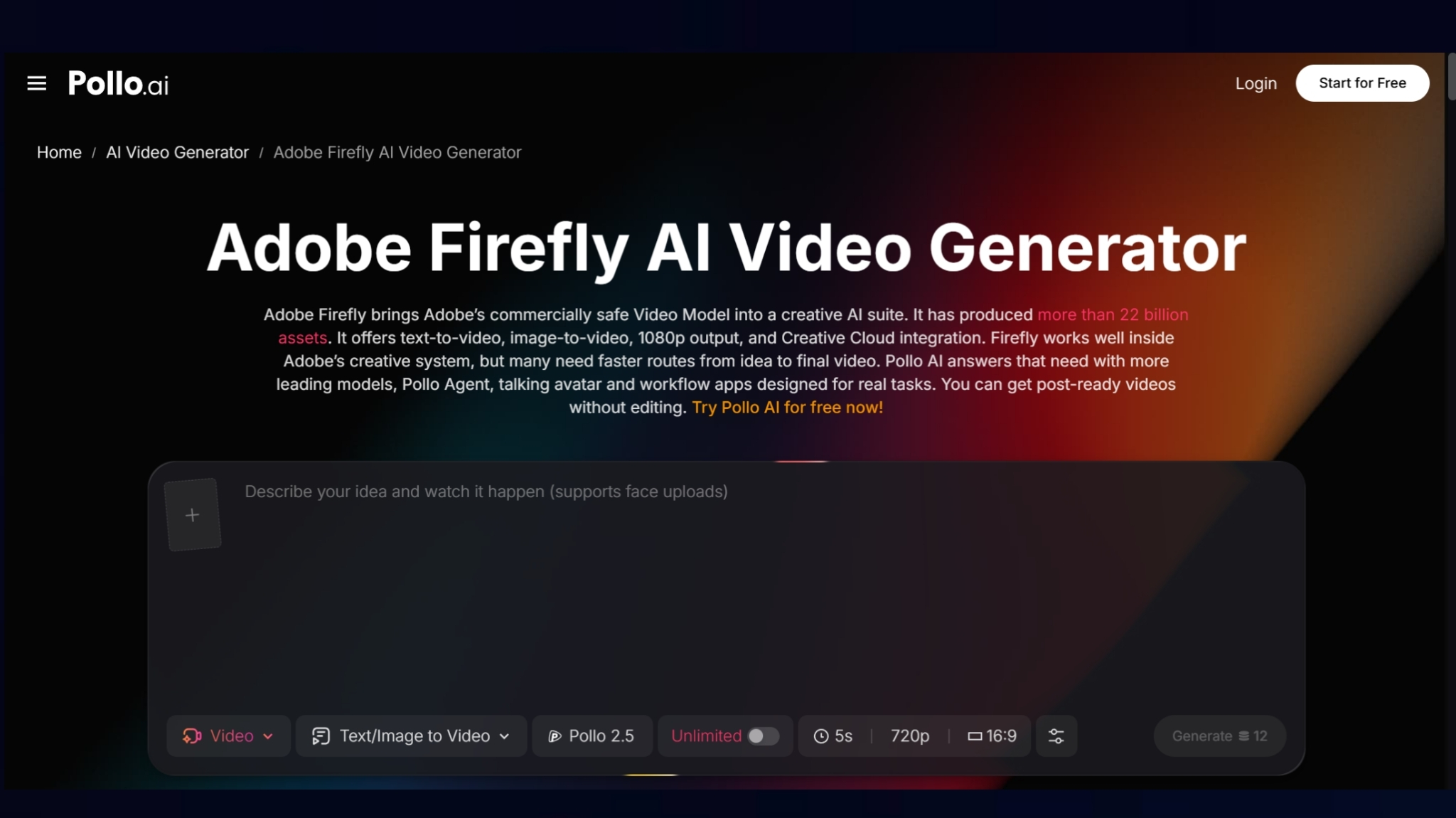 Using Adobe Firefly alongside a dedicated ad generator gives a team more range without adding complexity — a campaign can mix a realistic product shot with a more stylized brand visual, generated in the same overall process Pollo AI provides rather than through entirely disconnected production pipelines.
Building This Into an Ongoing Marketing Workflow
Teams getting consistent value from AI-generated creative tend to treat it as an ongoing part of campaign production, not a one-time experiment. That usually means generating a wider range of creative variations upfront, testing them against real performance data, and iterating quickly on whatever underperforms — a cycle that’s only practical when creative production itself isn’t the bottleneck slowing everything down.
It also changes how teams plan campaigns. Instead of committing heavily to one creative direction because production budget only allows for a single polished version, teams can afford to test multiple directions simultaneously and let actual performance data decide which one deserves further investment.
Getting Started
If your team has been limited by how much creative you can realistically produce per campaign, start with your next launch. Generate several ad variations from the same product brief, run them against each other, and compare performance against a previous campaign that used a single, manually produced creative.
For most marketing teams, the real advantage of AI-generated ad creative isn’t replacing designers — it’s removing the production ceiling that used to limit how much a campaign could actually test before committing budget to a single direction.