
In a world defined by constant connectivity, digital trust has evolved from a technical checkbox to the very foundation of every online interaction. From the moment a user logs into a portal to the completion of a complex online transaction, a silent but essential exchange of trust occurs. Every website visit, email exchange, and connected device interaction involves sensitive data that must be rigorously protected from interception, cyber threats, and misuse.
The Rising Cost of Manual Oversight
For many organizations, the “foundation” of this trust—SSL/TLS certificates—is still managed through manual tracking. However, as IT environments grow more complex, manual processes have become a significant liability. Relying on spreadsheets or human memory to track expiration dates increases security risks and leads to inevitable human error.
The consequences of a single overlooked certificate are severe:
- System Downtime: Expired certificates can halt business operations instantly, damaging both reputation and revenue.
- Security Vulnerabilities: Lack of visibility into a certificate’s lifecycle leaves gaps that cybercriminals are eager to exploit.
- Compliance Risks: Without centralized management, maintaining continuous compliance across a global infrastructure becomes nearly impossible.
Building a Future-Ready Security Strategy
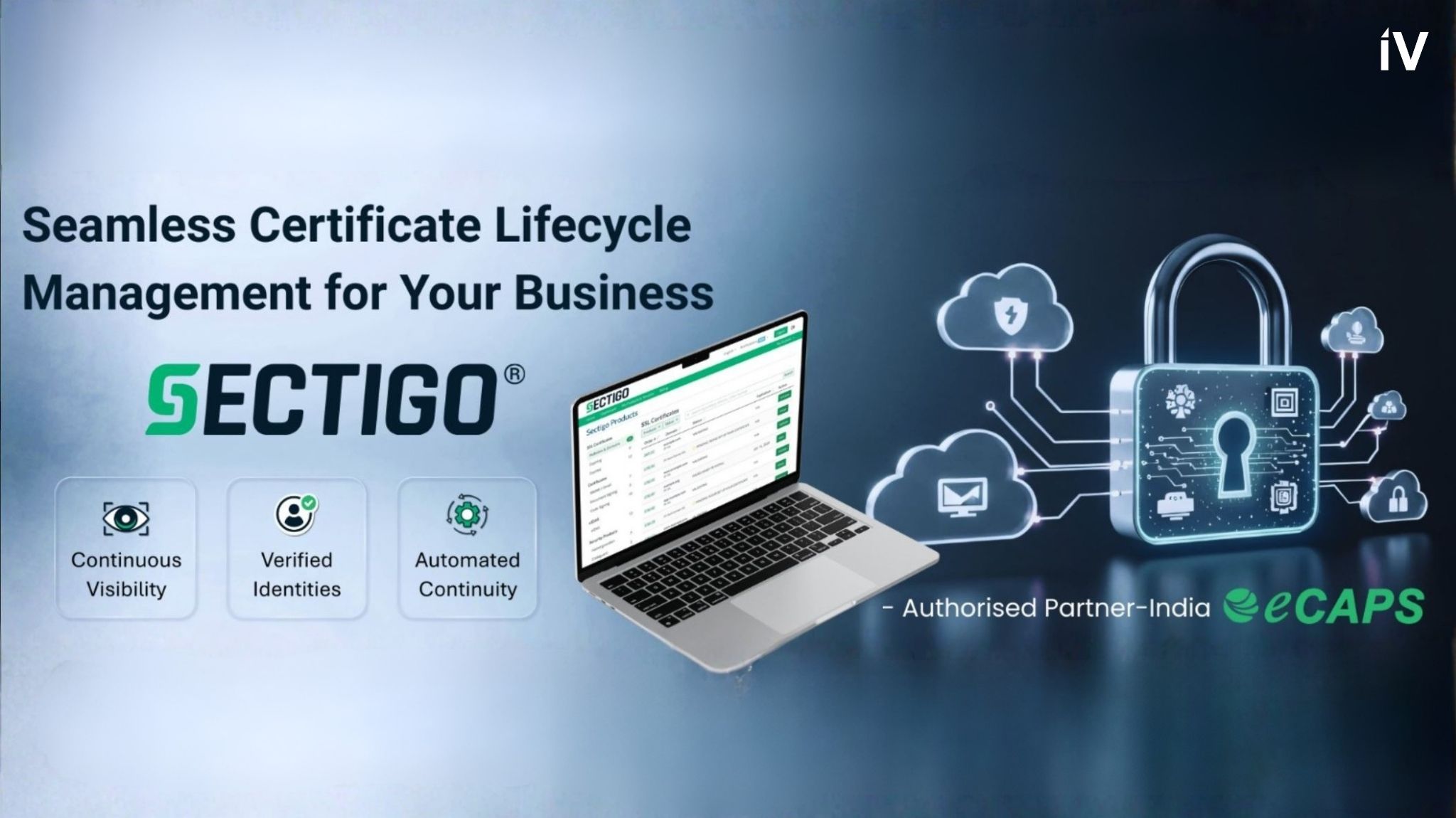
To navigate this “digital-first” reality, organizations must shift from reactive tracking to proactive, automated management. Sectigo, in partnership with eCAPS, provides the tools necessary to establish, manage, and automate digital trust through comprehensive Certificate Lifecycle Management (CLM).
The Sectigo Advantage: Beyond Encryption
Modern security requires more than just a certificate; it requires a lifecycle strategy. By implementing automated CLM, organizations gain:
- Continuous Visibility: A “single pane of glass” view into every certificate across the environment.
- Verified Identities: Robust verification for digital identities, ensuring that every connection is secure and encrypted.
- Automated Continuity: Removing the human element from renewals to ensure business continuity without disruption.
From Extended Validation (EV) and Wildcard SSL to specialized S/MIME for email and Code/Document signing, the goal is clear: future-ready security that starts with automation, visibility, and unshakeable trust.