
In a significant move to bolster digital safety for younger users, Instagram has officially expanded its specialized “Teen Accounts” framework to the Indian market. This initiative introduces a comprehensive suite of built-in protections designed to provide age-appropriate experiences, ensuring that teenagers interact with the platform in a more secure and controlled environment. The rollout reflects a growing global priority to address online safety through structural platform changes rather than relying solely on individual moderation.
Automated Privacy and Content Restrictions
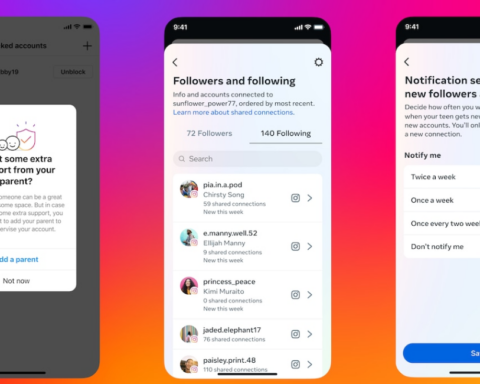
Under the new system, users identified as minors will be automatically transitioned into Teen Accounts, which carry the most restrictive privacy settings by default. Central to this update are stricter content rules that limit the types of sensitive material teens can encounter in sections like Explore and Reels. Furthermore, these accounts are set to “Private” by default, requiring new followers to be manually approved, and messaging is restricted to only those contacts the user already follows. These layers are designed to minimize unsolicited interactions and exposure to potentially harmful trends.
Empowering Parental Oversight
A key component of the expansion is the enhancement of parental supervision tools. Parents will now have greater visibility into who their children are messaging and can set daily time limits to encourage healthier digital habits. For younger teens, certain changes to these safety settings will require explicit parental consent, ensuring that guardians remain active participants in their child’s digital journey. The platform is also integrating “Sleep Mode,” which silences notifications and sends auto-replies during late-night hours to prioritize rest over screen time.
Aligning with India’s Digital Regulations
The introduction of these features in India is particularly timely as the country strengthens its focus on data privacy and online protection for children. By implementing proactive age-verification and default safety protocols, the platform aims to align with local expectations for corporate responsibility in the digital age. This move is seen as a proactive step toward creating a safer internet ecosystem for India’s massive youth population, balancing the benefits of social connectivity with the necessity of robust safeguards.
Conclusion
The expansion of Teen Accounts represents a paradigm shift in how social media platforms manage younger demographics. By prioritizing safety by design, the initiative seeks to provide parents with peace of mind while allowing teenagers to explore their interests safely. As digital engagement continues to rise among Indian youth, these stricter content rules and enhanced oversight tools set a new benchmark for protecting the next generation of digital citizens.