
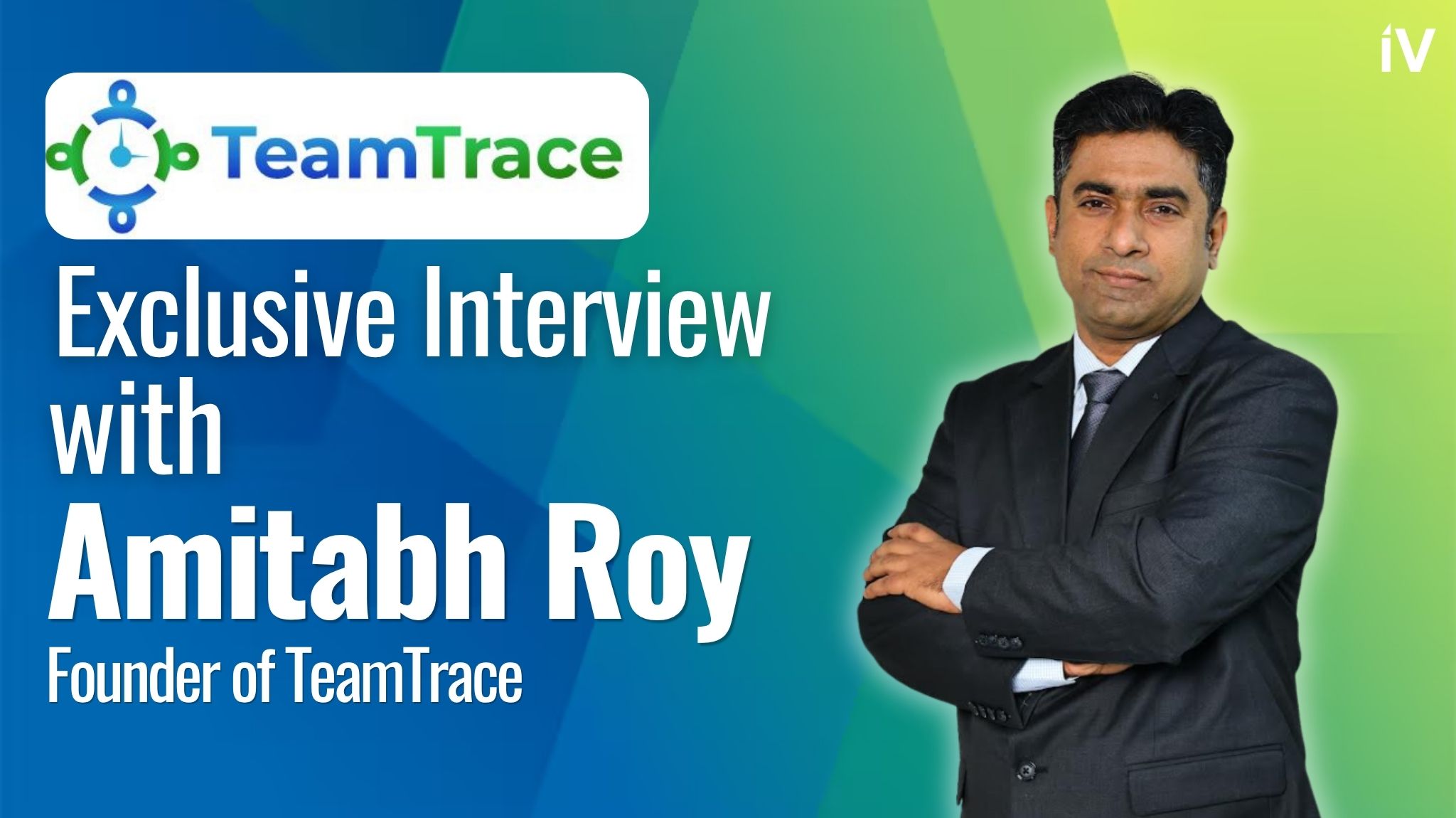
In this exclusive interview with Mr. Amitabh Roy, Founder of TeamTrace, we explore how AI-powered workforce intelligence is helping organizations move beyond traditional workforce management toward predictive, data-driven decision-making. He shares insights on real-time analytics, workforce agility, enterprise integration, and the emerging technologies shaping the future of intelligent workplaces.
IT Voice- How is TeamTrace leveraging AI and workforce intelligence to help organizations move from reactive workforce management to predictive decision-making?
Amitabh Roy- Traditional workforce management usually leans on old historical reports and then some manual review, so organizations end up reacting only after issues have already affected productivity or project outcomes. At TeamTrace, we are leveraging AI and workforce intelligence to shift this approach from reactive management to predictive decision-making.
Our platform keeps on analyzing data across different projects, the tasks inside them, resource utilization, productivity patterns, and also workforce performance so it can surface trends that are not always obvious right away. In other words, it helps leaders spot things like upcoming bottlenecks, workload imbalances, delivery risks, or even resource gaps before they turn into real business problems.
And it’s not only about “here’s what happened.” We try to help organizations grasp what is likely to happen next and which actions can actually improve the outcomes. That way, managers can move more quickly with data-driven decisions related to workforce planning, project execution, and productivity optimization. We firmly think predictive workforce intelligence will become a must-have capability for organizations that want more agility, better efficiency, and sustainable growth that lasts.
IT Voice- What role do real-time analytics and data intelligence play within TeamTrace in optimizing workforce productivity and operational efficiency?
Amitabh Roy- Real-time analytics and data intelligence are at the center of how TeamTrace helps teams improve workforce productivity and keep operations running smoother. In today’s fast-moving work environment, leaders really need instant visibility into project resources, workloads, and how well the teams perform so they can make decisions without second-guessing.
We keep capturing and analyzing workforce and project information, and then we turn it into insights you can actually act on. That means managers can watch productivity trends as they shift, spot bottlenecks early, follow project progress more clearly, and adjust how resources are used in real time. Instead of waiting for periodic reports or juggling manual updates, leaders get a kind of live snapshot of organizational performance and respond to emerging problems sooner.
Our workforce intelligence also helps reveal these quieter inefficiencies, workload imbalances, and delivery risks before they start affecting business outcomes. When real-time analytics is paired with AI-driven insights, TeamTrace helps organizations sharpen decision-making, streamline everyday operations, strengthen team accountability, and push productivity higher. In the end, data intelligence allows businesses to run more efficiently while still keeping people, projects, and overall business goals aligned practically.
IT Voice- How does TeamTrace help enterprises identify skill gaps, workforce trends, and upskilling opportunities through data-driven insights?
Amitabh Roy- As organizations grow, one of the biggest challenges is making sure workforce capabilities evolve in step with business needs. TeamTrace tackles this by using workforce intelligence, data-driven analytics, to give deeper visibility into how employees perform, where they show up on projects, how productivity patterns look, and how skills actually get used.
When we look at work trends across teams and projects too, we help leaders spot where skills might be underutilized, insufficiently used, or just not aligned with organizational objectives. The platform also surfaces workforce trends like capacity gaps, resource dependencies, and emerging competency requirements, so organizations can make more informed talent decisions without guessing as much.
These insights support proactive workforce planning, and they help managers find opportunities for more targeted upskilling and reskilling initiatives. Instead of leaning only on periodic assessments, leaders get continuous visibility into workforce readiness and development needs.
We believe workforce intelligence should not only boost productivity but also help build future-ready teams. By turning workforce data into actionable insights, businesses can strengthen talent development, improve resource planning, and enhance long-term organizational agility.
IT Voice- With AI becoming central to enterprise operations, how is TeamTrace enabling organizations to build more agile, future-ready workforces?
Amitabh Roy- AI is rapidly transforming how organizations operate, and workforce agility is turning into this key business priority. We help organizations build future-ready workforces by bringing together AI, workforce intelligence, and real-time operational insights in one single platform.
Our AI-powered capabilities give leaders a solid understanding of workforce performance, resource utilization, project execution, and those emerging productivity trends. With that clarity, organizations can anticipate what’s coming, optimize workforce planning, and move faster with data-driven decisions. Instead of waiting and then reacting after issues show up, businesses can get ahead of resource gaps, workload imbalances, and shifting project demands even when things change midstream.
Also, TeamTrace supports this shift toward outcome-driven management by helping organizations align people, competencies, and business objectives in a more practical way. With continuous visibility into workforce dynamics, leaders can spot development opportunities, strengthen resource allocation, and adjust quickly as business requirements evolve, without having to guess.
As AI gets more and more embedded in enterprise operations, organizations that leverage workforce intelligence will be better placed to fuel innovation, boost productivity, and develop resilient teams that can actually thrive in a rapidly changing environment.
IT Voice- How can workforce intelligence platforms integrate with existing enterprise ecosystems such as ERP, HRMS, and project management tools to deliver unified workforce visibility?
Amitabh Roy- For workforce intelligence to deliver real business value, it should work inside the bigger enterprise tech ecosystem, not like some standalone thing that lives on its own. In practice, most organizations today rely on a mix of systems such as ERP, HRMS, payroll, collaboration tools, and project management platforms, but these often end up creating data silos, and then visibility feels fragmented, even when everyone is “doing their best.”
TeamTrace is built to plug in smoothly with the enterprise applications already in place. It brings workforce, project, and operational data together into one intelligence layer, so instead of juggling separate dashboards you get a clearer view. When different inputs are consolidated from multiple systems, organizations can establish one source of truth for workforce performance, resource utilization, project execution, and also productivity trendlines.
With that kind of unified visibility, leaders can move quicker and make more informed decisions without hoping between several platforms or depending on manual reporting. There’s also a helpful effect on cross-functional alignment because it links workforce signals with business outcomes, financial performance, and project delivery indicators, all in the same context.
And as enterprises speed up digital transformation efforts, integrated workforce intelligence platforms like TeamTrace become critical. They help break down silos, improve operational efficiency, and support a more connected, data-driven workplace overall, even when the environment keeps changing.
IT Voice- What emerging technologies such as AI, machine learning, predictive analytics, or automation are shaping the future roadmap of workforce intelligence as a whole?
Amitabh Roy- The whole future of workforce intelligence is going to be powered by this convergence of AI, machine learning, predictive analytics, and intelligent automation. In a way, these things let organizations move past descriptive reporting and drift into more proactive workforce management.
AI and machine learning are letting businesses spot productivity patterns, forecast resource needs, uncover possible bottlenecks, and even suggest actions that improve performance. Predictive analytics is also getting more and more valuable for workforce planning, it helps leaders anticipate talent requirements, see risks coming, and map out capacity challenges before they actually start messing with day-to-day operations.
Then automation joins in too, it’s changing workforce management by cutting down manual reporting, smoothing out workflows, and making decisions faster. Meanwhile, generative AI improvements are expected to roll out intelligent workforce assistants, real-time recommendations, share performance insights, and provide operational guidance.
IT Voice- How does TeamTrace help business leaders translate workforce data into actionable insights that drive productivity, resource optimization, and business growth?
Amitabh Roy- Organizations today generate a ton of workforce and operational data, but the tricky part is still turning all that information into actually useful business decisions. At TeamTrace, we sort of bridge that gap by taking workforce data and turning it into intelligence you can act on, so leaders can boost productivity, tune resources, and push growth forward.
Our platform gives real-time insight into project progress, workforce performance, resource utilization, and productivity trends, all through easy dashboards and AI-powered insights. So rather than chasing around fragmented reports or spending hours on manual analysis, leaders get a bigger picture of how work is moving across the organization.
It also helps surface bottlenecks, workload imbalances, resources that are basically just sitting, and delivery risks that might show up later. Then managers can take proactive action before these things start affecting outcomes. This data-driven method backs smarter workforce planning, smoother project execution, and better use of resources overall. We think workforce intelligence is shifting into a real strategic advantage for organizations that want more agility and some sharper competitive differentiation.
IT Voice- As hybrid and distributed work models continue to evolve, how is TeamTrace helping organizations maintain visibility, accountability, and employee engagement at scale?
Amitabh Roy- The shift toward hybrid and distributed work has made visibility, accountability, and employee engagement more important than ever. While flexibility has become a key expectation for modern workforces, organizations often struggle to keep alignment and transparency across teams that are operating from different locations.
TeamTrace tackles this problem with a unified platform that mixes work management, workforce intelligence, and real-time productivity insights. Leaders get clear visibility into project progress, resource utilization, team performance, and workload distribution without having to do constant follow-ups or those manual reporting sessions.
Our AI-powered insights help managers spot bottlenecks, watch project health, and support accountability through data-driven performance tracking. Meanwhile, employees can enjoy more clarity on priorities, goals, and deliverables, which ends up making the overall work environment more transparent and also more cooperative.
By linking workforce performance with business objectives, we help organizations build a culture of trust, ownership, and engagement at scale. That means businesses can stay productive, agile and aligned even when teams are working from wherever they are.
IT Voice- What are the biggest challenges enterprises face in adopting workforce intelligence solutions?
Amitabh Roy- As workforce intelligence is turning into a strategic priority, a lot of enterprises still run into adoption trouble because there’s fragmented data, legacy systems, and visibility across day-to-day workforce operations. In many organizations, the most important workforce project and productivity information sits in separate platforms so it feels hard to build a single coherent view of how people are performing and how resources are being utilized.
Also, there’s another typical issue where people think workforce intelligence is basically just a monitoring tool, not a business-enabling solution. For adoption to really work, organizations need to lean into transparency, productivity lift, and data-informed decision-making, not employee surveillance.
Then there’s the whole data quality and integration part. Workforce intelligence platforms deliver more value when they can connect smoothly with existing HRMS, ERP, collaboration, and project management systems so the whole picture is actually usable.
IT Voice- Looking ahead, how do you envision TeamTrace contributing to the next generation of intelligent workplaces, where AI-driven insights play a central role in workforce planning and performance management?
Amitabh Roy- At TeamTrace, we think the future of work management is less about watching people, more about understanding the work itself. Our platform already gathers data across projects, productivity, resource utilization, budgets, and workforce availability too. Now we are turning that information into predictive intelligence so teams can spot project risks faster, tune resource allocation smarter, reduce burnout, and match the right talent with the right tasks, not just “assignments.”
We also feel that enterprise-grade AI should be within reach for everyone. Starting at just $3 per user, TeamTrace lets SMEs and expanding companies tap into workforce intelligence similar to what large enterprises use. It’s backed by ISO 27001 certification, plus GDPR and DPDP compliance, so we can keep trust, security, and privacy as a focus. As intelligent workplaces become real, TeamTrace is helping make that kind of capability affordable, accessible, and trusted for businesses of every size.