
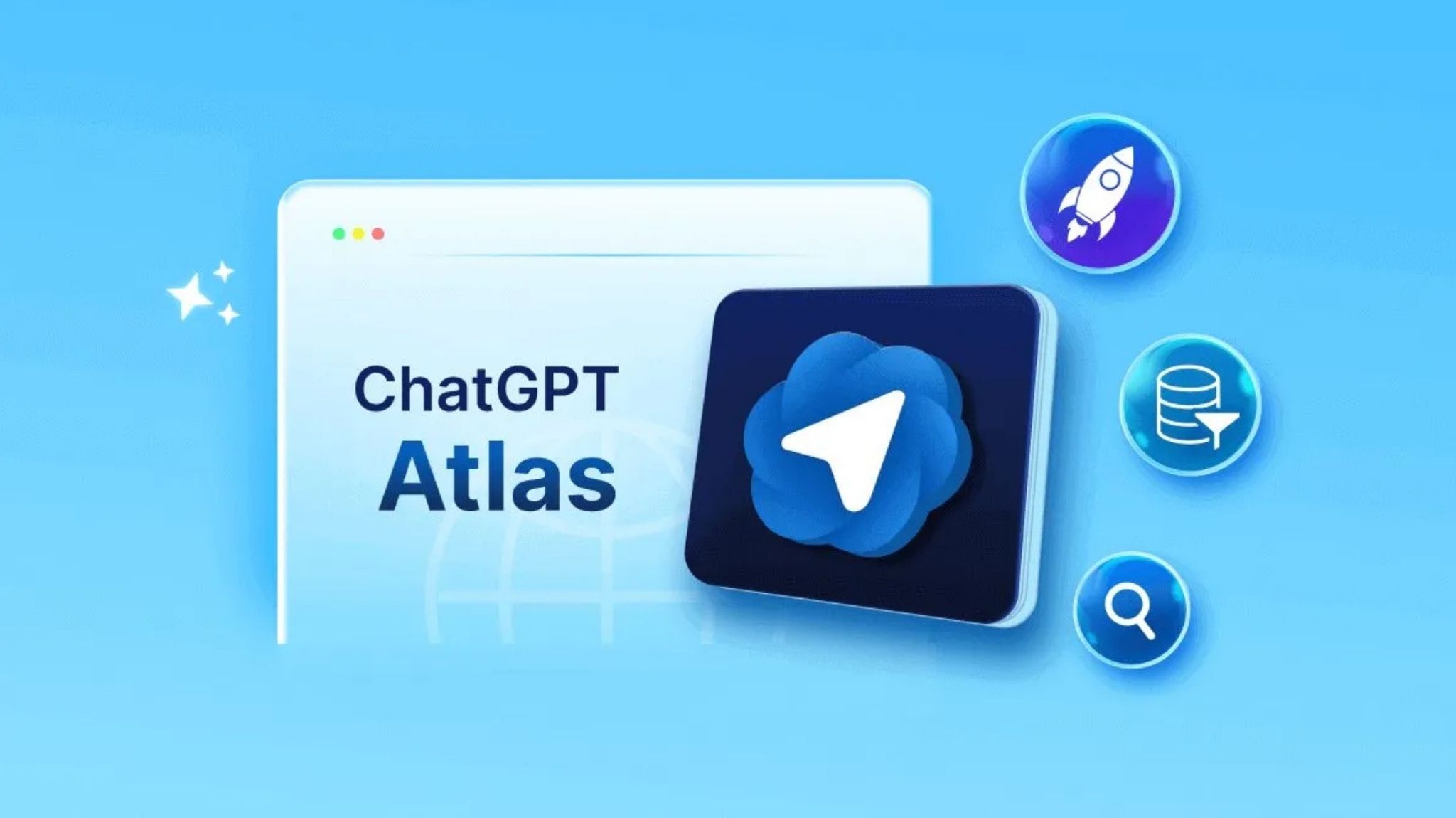
In a rapid product realignment, OpenAI has officially announced that it is sunsetting ChatGPT Atlas, its dedicated, AI-driven desktop web browser. Launched to significant fanfare for macOS, the standalone browser will be fully deprecated on August 9, less than a year after its initial release. The decision also officially cancels any plans for a standalone Windows version of Atlas.
A Pivot from “Side Quests” to Consolidation
The sudden discontinuation of Atlas is part of a broader consolidation strategy inside OpenAI, spearheaded by a leadership mandate to cut down on extraneous side projects and focus on unified enterprise utility. This house-cleaning effort mirrors the company’s recent decision to archive its Sora standalone video application.
Rather than walking away from AI-powered web navigation, OpenAI is integrating Atlas’s core functionalities directly into a revamped, primary ChatGPT desktop application. The tech firm is moving toward a single “super app” design that consolidates multiple separate software offerings—including the original conversational chatbot, the Codex programming framework, and a newly developed “ChatGPT Work” enterprise agent suite—under a single, unified interface.
Evolution into an All-In-One Workspace Engine
The lessons and analytical data gathered from early Atlas users have been heavily utilized to shape the agentic browsing features embedded within the new desktop workspace. The flagship desktop application now inherits native browsing mechanics out of the box, featuring standard navigation comforts like multi-tab support, an integrated password manager, and automated form-filling tools.
Within this workspace, the AI can independently execute sophisticated web research, parse and cross-examine content from disparate digital sources, and interact with files stored across Microsoft 365 or Google Workspace. Meanwhile, a cloud-based browsing backend allows the underlying agents to remotely conduct complex, multi-step online tasks in the background without tying up local device resources.
For users who prefer to maintain their existing software ecosystems rather than adopting a brand-new super app, OpenAI will continue to update and support its official extension for Google Chrome. This plugin ensures that consumers can access context-aware page summaries and direct AI interactions while remaining within their preferred web environment. Affected Atlas users will receive migration timelines and transition guides via email and in-app alerts prior to the August shutdown.