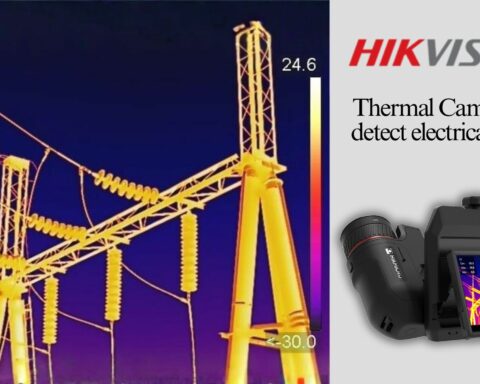
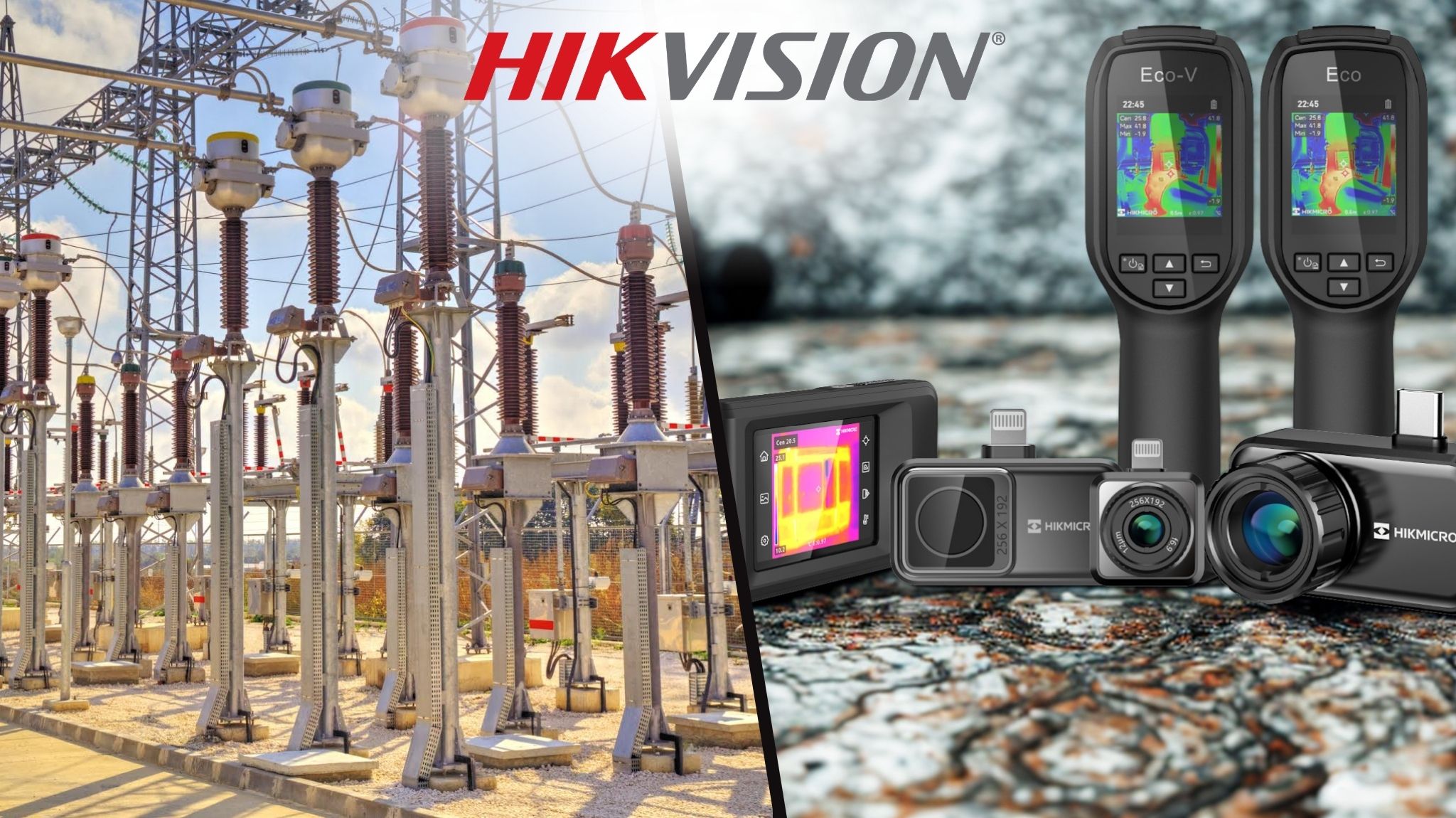
The electrical industry depends on the stable operation of assets across power generation, substations, transmission networks, distribution systems, and end-user facilities. In these environments, abnormal heat is often one of the earliest indicators of developing problems, whether caused by overload, loose connections, insulation deterioration, cooling inefficiency, or equipment stress. Hikmicro Handheld thermal cameras help electrical professionals make these temperature changes visible earlier, supporting safer inspections and more proactive maintenance across the power chain.
Unlike conventional visual inspection, thermal imaging allows operators to assess energized equipment without physical contact. By revealing temperature distribution in real time, it helps teams identify hidden anomalies before they develop into failures, outages, or safety incidents. From utility infrastructure to commercial and industrial facilities, handheld thermal cameras have become a practical tool for improving inspection efficiency and equipment reliability.
In power generation, thermal imaging supports the inspection of critical assets that operate under continuous thermal and mechanical stress. In thermal power plants, it can be used to monitor boilers, steam turbines, and generators, helping maintenance teams identify abnormal heating that may indicate wear, damage, or declining operating efficiency. In nuclear power plants, thermal imaging is valuable for monitoring cooling-system temperature distribution, where abnormal thermal behaviour may indicate developing faults or safety risks.
It also plays an important role in renewable energy applications. In wind power generation, Hikmicro handheld thermal cameras can be used to monitor bearings and gearboxes, helping teams identify mechanical wear or lubrication issues at an earlier stage. In solar photovoltaic systems, thermal imaging helps reveal localized hot spots on PV panels, making it easier to detect equipment malfunctions, performance loss, or the effects of partial shading.
Why Handheld Thermal Imaging Matters in Electrical Inspections
Across the electrical industry, temperature is one of the most direct and actionable indicators of equipment condition. A handheld thermal camera gives inspection teams a faster and safer way to detect abnormal heat, assess asset condition in operation, and respond before minor issues escalate into larger failures.
As electrical systems become more interconnected, more distributed, and more demanding in terms of uptime and safety, handheld thermal imaging continues to grow in value. From generation and substations to transmission, distribution, and end-user facilities, it supports a more efficient and condition-based approach to inspection across the entire electrical industry.
Advantages
The advantages of Hikmicro Handheld Thermal Imaging Cameras for Electrical Inspection are plenty. Thermal cameras are now standard for electrical maintenance because heat is an early warning signal. Here’s what Hikmicro handheld thermal cameras specifically bring to the job:
Finds Faults on Time before Failure
Detects Overheating Early: Loose connections, overloaded circuits, unbalanced loads, and failing breakers show up as hotspots long before smoke or tripping. A 10°C rise can indicate a serious issue.
Prevent Downtime: helps to prevent losses due to power outages. Catching a hot MCB at 65°C vs normal 35°C prevents a full plant shutdown.
Safety First: Inspect from 1-2 meters away. No contact with 415V panels, no arc flash risk. Critical for HT panels and transformer yards.
Speed and Accuracy on Site
High Resolution Sensors: You can spot a single overheated fuse in a crowded panel.
SuperIR Enhancement: Hikmicro’s algorithm upscales resolution 4x.
Laser + LED: Built-in laser pointer pinpoints the exact fault. LED work light helps in dark basements/substations.
Built for Indian Field Conditions
Rugged IP54/IP67: Dust, rain, oil mist in factories — cameras survive it. 2m drop tested.
Long Battery Time: 6-8 hours continuous use. Covers full shift inspection in steel plants or data centers without charging.
Fast Boot: <5 seconds from power-on to scan. Critical when you’re inspecting 100+ panels per day.
One-Hand Operation: Lightweight <600g. Climb ladders, open panels, and scan with one hand.
Voice Annotation + Wi-Fi: Record observations on the spot. Sync to HIKMICRO Analyzer app for PDF reports with images, temp data, and GPS.
Radiometric JPEG: Every image stores full temp data.
Common Electrical Faults Hikmicro Catches
Loose Lugs: Hot connection at 80°C vs 40°C ambient
Unbalanced Loads: One phase 20°C hotter is equal to motor risk
Failing MCCBs/Contactors: Internal arcing shows as uneven heating
Harmonic Issues: Neutral overheating in IT panels
Hikmicro Handheld Thermal Cameras turn invisible electrical faults visible in 2 seconds — so you fix an electrical before it becomes a costly breakdown. They are highly useful in the electrical inspection of power generation plants, sub-station, transmission networks, distribution systems and end-user facilities.
Here’s how Hikmicro handheld thermal cameras deliver value across the entire electrical chain — from power generation plants to end-user facilities:
Power Generation Plants
Challenges: High temp, high voltage, 24×7 uptime critical, turbine halls, generator enclosures, switchgear rooms.
Long-Range Lenses: Inspect generator output bushings, bus ducts from safe distance of 5-10m
Alarm Thresholds: Get instant audio/visual warning if transformer oil temp >90°C
Benefit: Prevent unscheduled shutdowns. 1 hour outage in 500MW plant means a huge loss
Sub-Stations: 765kV/400kV/220kV/132kV
Challenges: Outdoor exposure, vast yards, critical national assets, safety clearance rules.
HIKMICRO Advantages:
IP67 + -20°C to 60°C: Rain, dust, heat — works in hot summers and monsoons
High Resolution 640×480: Spot 1 overheated clamp on 400kV gantry from 15m away
Laser Distance + Area Measurement: Calculate exact hotspot location for maintenance team
Benefit: Replace drone + shutdown inspections.DISCOMs/TANTRANSCO save a lot of money by avoiding forced outages
Transmission Networks: Overhead Lines & Towers
Challenges: Remote locations, hard access, 100+ km lines, conductor joints, hardware corrosion.
HIKMICRO Advantages:
Lightweight <600g + 8hr Battery: Lineman can climb tower with one hand, scan for full shift
SuperIR: 256×192 sensor renders like 512×384. See hot mid-span joints from 50m
Wide FOV Options: 25° lens scans full cross-arm in one frame
Benefit: Prevent line tripping. Finding 1 bad crimp prevents cascade failure
Distribution Systems: 33kV/11kV Feeders, RMUs, DTs
Challenges: Huge asset count, theft, overloading, mixed urban/rural, frequent faults.
HIKMICRO Advantages:
Fast Boot <5s + One-Hand Use: Inspect 50+ DTs per day during breakdown drives.
Wi-Fi to Mobile: Junior engineer sends live image to senior for instant decision — close feeder or not?
End-User Facilities: Factories, Data Centers, Hospitals, Malls
Challenges: LT panels, UPS, MCCs, capacitor banks, mixed loads, compliance audits.
HIKMICRO Advantages:
MSX/Color Alarms: Overlay edge detail on thermal. Easily identify which MCB in crowded panel is hot
Temp Trending: Use free Analyzer software to compare monthly scans.
LED Worklight + Laser: Inspect dark basement panels without separate torch
Report Template: Auto-generate PDF with company logo, fault severity, recommendations. AMC selling tool
Common Hikmicro Features That Matters: The application scenarios of Hikmicro Handheld thermal cameras include Power Generation Plants, Sub-stations, Transmission Networks, Distribution systems and End-user Facilities. Hikmicro Thermal cameras deliver value on these five points.
Safety: Non-contact from 1-10m. No arc-flash PPE needed for scanning
Speed: Full 33kV substation in 20 mins vs 2 hours with contact probes
Documentation: Every image is equal to audit evidence.
ROI: Preventing 1 transformer failure in sub-station pays for the cost of thermal cameras
Service Support: Service centers, RMA & local training
Thus, Hikmicro Handheld thermal products offer bespoke electrical industry solutions and detect electrical faults on time.