

A new wave of digital fraud is targeting households across India, exploiting the essential service of LPG cylinder delivery. Scammers are deploying sophisticated social engineering tactics via WhatsApp and SMS to trick unsuspecting users into compromising their financial security.
The Mechanics of the Scam
The fraud typically begins with an urgent message claiming that the user’s gas connection has been suspended or that their subsidy is on hold. These messages often cite “incomplete KYC” (Know Your Customer) or “unpaid arrears” as the reason for the disruption. To resolve the issue, users are pressured to click on a malicious link or call a provided “customer care” number.
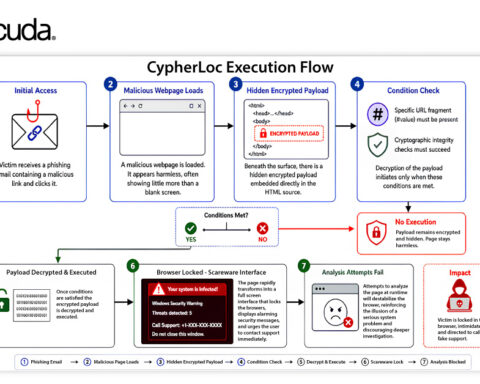
Once a user engages, they are often directed to a phishing website designed to mirror official gas agency portals. Here, victims are prompted to enter sensitive information, including bank account details, Aadhaar numbers, and—most critically—One-Time Passwords (OTPs). In other variations, fraudsters may ask users to download a remote access app, allowing them to take control of the victim’s smartphone and drain their bank accounts.
How to Stay Protected
Authorities and major oil marketing companies like Indane, HP Gas, and Bharat Gas are urging consumers to remain vigilant. To avoid falling victim to these schemes, users should:
-
Use Official Channels: Only book cylinders or update details through the official apps (such as IndianOil One, HPPay, or Hello BPCL) or verified websites.
-
Verify the Sender: Official communications regarding gas connections do not typically come from personal mobile numbers via WhatsApp.
-
Never Share OTPs: No legitimate gas agency representative will ever ask for an OTP or your banking password over the phone.
-
Avoid Suspicious Links: Refrain from clicking on links in unsolicited messages that demand immediate payment or personal data.
If you suspect you have been targeted, report the incident immediately to the National Cyber Crime Reporting Portal or your local authorities to help prevent further exploitation.