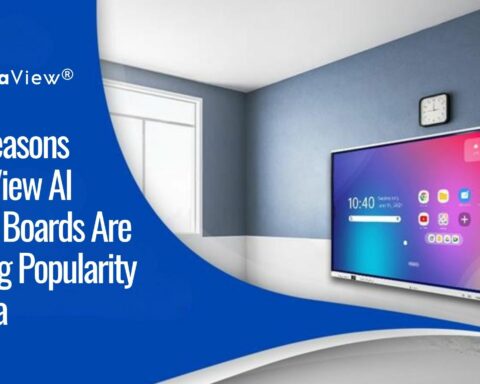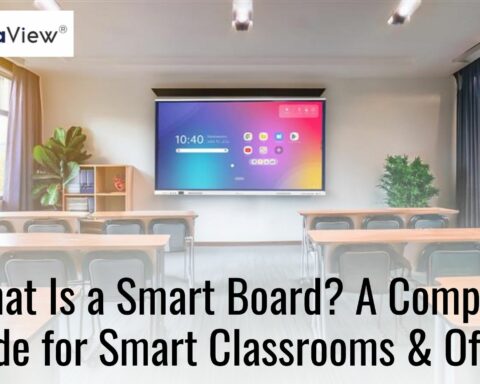
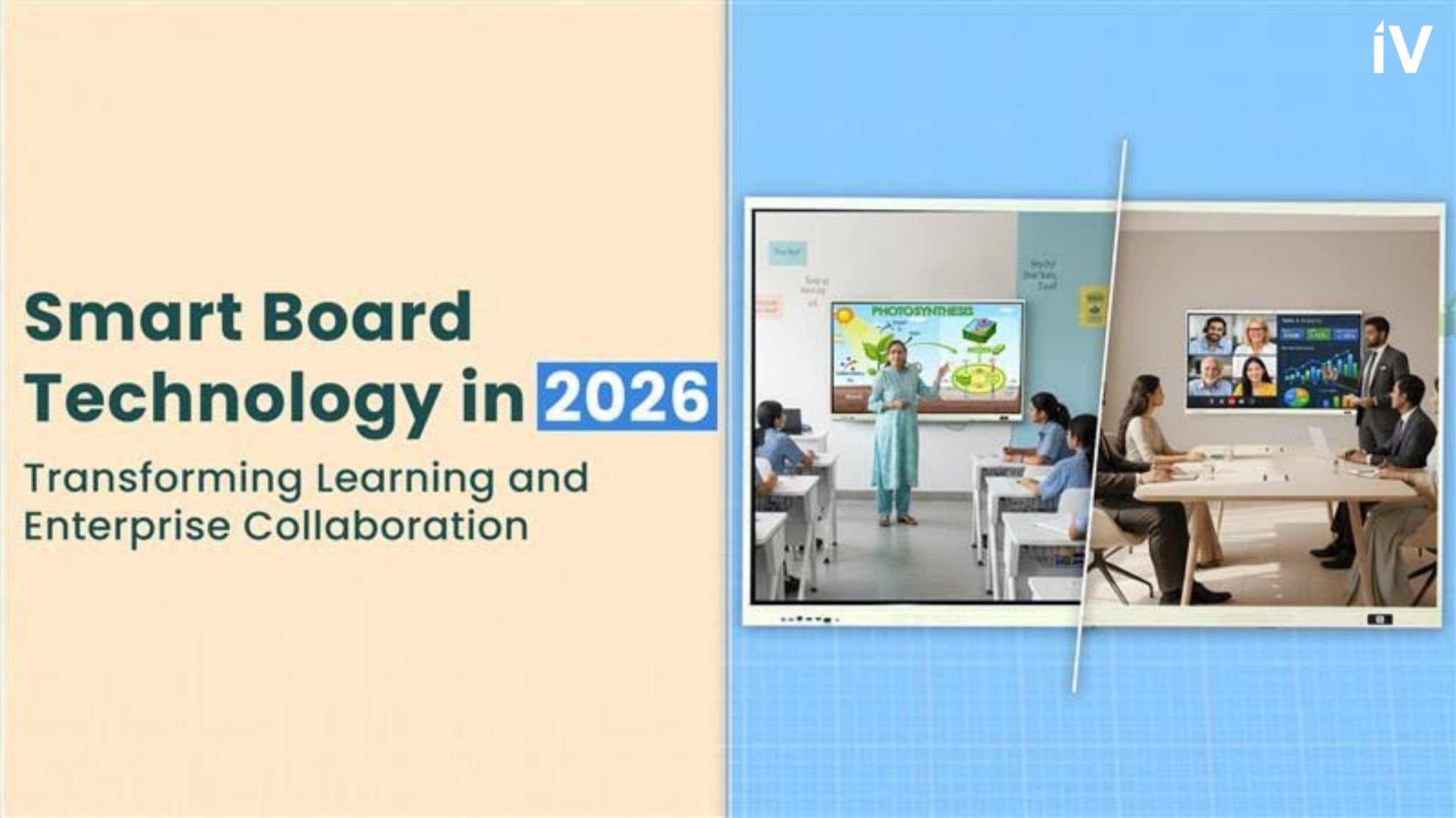
India’s classrooms are no long using chalkboards, now we are heading towards smart classrooms. We can see how projectors are slowly fading out and smart boards are replacing them slowly but steady. In 2026, smart boards have firmly positioned itself at the centre of digital transformation across education and enterprises.
IT Voice explores how this shift is happening and how brands like DeltaView are contributing to the rise of interactive learning and smarter workplace collaboration.
Smart board technology in 2026
For many years, schools relied on whiteboards and projectors. Most of the corporates depended on basic LED display screens. That setup worked that time but it doesn’t work now.
Today, expectations are different.
- Teachers want better student engagement.
- Companies want seamless hybrid meetings.
- Institutions want long-term digital infrastructure.
This is where the modern smart boards come in.
A smart board is not just a display screen. It is a complete communication and planning tool. It combines:
- 4K ultra HD display
- Multi-touch functionality
- Built-in Android or Windows system
- Wireless screen sharing
- Video conferencing compatibility
- AI features
In simple words, it replaces multiple devices with one intelligent tool.
Smart Boards in teaching: More Than Just a Screen
If we talk about smart board for teaching, it digitally upgraded classrooms in 2026 and you’ll immediately notice the difference. Instead of traditional teaching, teachers get more features to make lessons interactive.
A smart board for teaching allows teachers to:
- Write and erase digitally
- Play educational videos instantly
- Zoom into diagrams for clarity
- Conduct live polls or quizzes
- Save and share notes with students
The classroom becomes more interactive rather than one-sided discussions.
Nowadays, students are more familiar with digital tools. They respond better to visual content and real-time interaction. A smart board for classroom bridges the gap between traditional teaching and modern learning habits.
According to industry observations, schools using smart boards display panels report better participation and improved concept clarity — especially in subjects like science and mathematics.
DeltaView has been actively working with institutions to deploy smart boards that are practical, durable, and easy to use. Instead of overcomplicating technology, the focus remains on smooth teaching experiences.
The Enterprise Angle: Collaboration Reimagined
Education is not the only sector seeing change.
Corporate offices are going through their own transformation. Hybrid work culture is no longer temporary. Meetings now include both in-office and remote participants. In such environments, a regular screen simply does not deliver enough flexibility.
A smart board for office offers a much more dynamic experience.
Teams can:
- Share screens wirelessly
- Annotate documents in real time
- Conduct video conferences on a large interactive display
- Brainstorm ideas collaboratively
- Access cloud-based files instantly
Instead of switching between devices, everything happens on one platform.
Modern enterprises prefer interactive flat panels because they simplify meeting room setups and improve productivity. Discussions become more engaging when participants can physically interact with the content.
DeltaView’s enterprise-focused smart boards are designed to support this evolving work culture. With smooth touch response and 4K clarity, they align with the growing need for professional collaboration tools.
Smart Board Technology Trends in 2026
Technology never stands still and neither does the smart board industry.
In 2026, several trends are shaping the market:
- Widespread adoption of 4K smart boards
- AI-enabled features like handwriting recognition
- Faster touch response and multi-user writing
- Improved energy efficiency
- Better integration with video conferencing platforms
Institutions are no longer asking whether they need smart boards. They are asking which specifications suit their needs. Focus has shifted toward reliability and long-term value rather than just features.
Why Smart Boards Are Becoming Essential
There are clear reasons behind the growing demand for smart board technology in India. First, engagement levels increase significantly. Whether it’s students interacting with lessons or teams discussing strategy, visual collaboration makes a difference. Second, operational efficiency improves. Meetings start faster. Lessons run smoother. There is less dependency on external devices.
Third, long-term cost benefits are noticeable. Although the upfront investment may be higher than traditional displays, maintenance and recurring equipment costs reduce over time. And finally, institutions become future-ready. Digital infrastructure is no longer optional. It is expected.
DeltaView’s Growing Presence in the Market
As adoption increases, the market is also becoming competitive. Buyers are not just looking for features. They are looking for trust and after-sales support.
DeltaView has positioned itself as a brand focused on both education and enterprise sectors. The company provides:
- High-resolution smart boards
- Durable in-house build hardware for long usage hours
- User-friendly interface
- Reliable service support
- 24/7 customer support
This approach resonates well with institutions that want technology to simplify operations, not complicate them.
The Road Ahead for Smart Board Technology
Looking ahead, smart board technology in 2026 is only the beginning of deeper digital integration.
Classrooms are becoming collaborative hubs.
Boardrooms are becoming interactive workspaces.
Displays are evolving from passive screens to active communication platforms.
As internet connectivity improves and digital adoption spreads across tier-2 and tier-3 cities, the demand for smart board for classroom technology and enterprise interactive displays is expected to grow further.
The conversation is no longer about replacing chalkboards. It is about building connected ecosystems.
Final Thoughts
Smart board technology has moved beyond being a modern accessory. It is now a core part of how institutions function.
From interactive teaching to seamless enterprise collaboration, the benefits are visible and measurable. Schools want better learning outcomes. Businesses want faster decisions and clearer communication.
With brands like DeltaView contributing to this digital shift, India’s education and enterprise sectors are steadily embracing smarter, more connected environments. In 2026, one thing is clear — the future of learning and collaboration is interactive.