


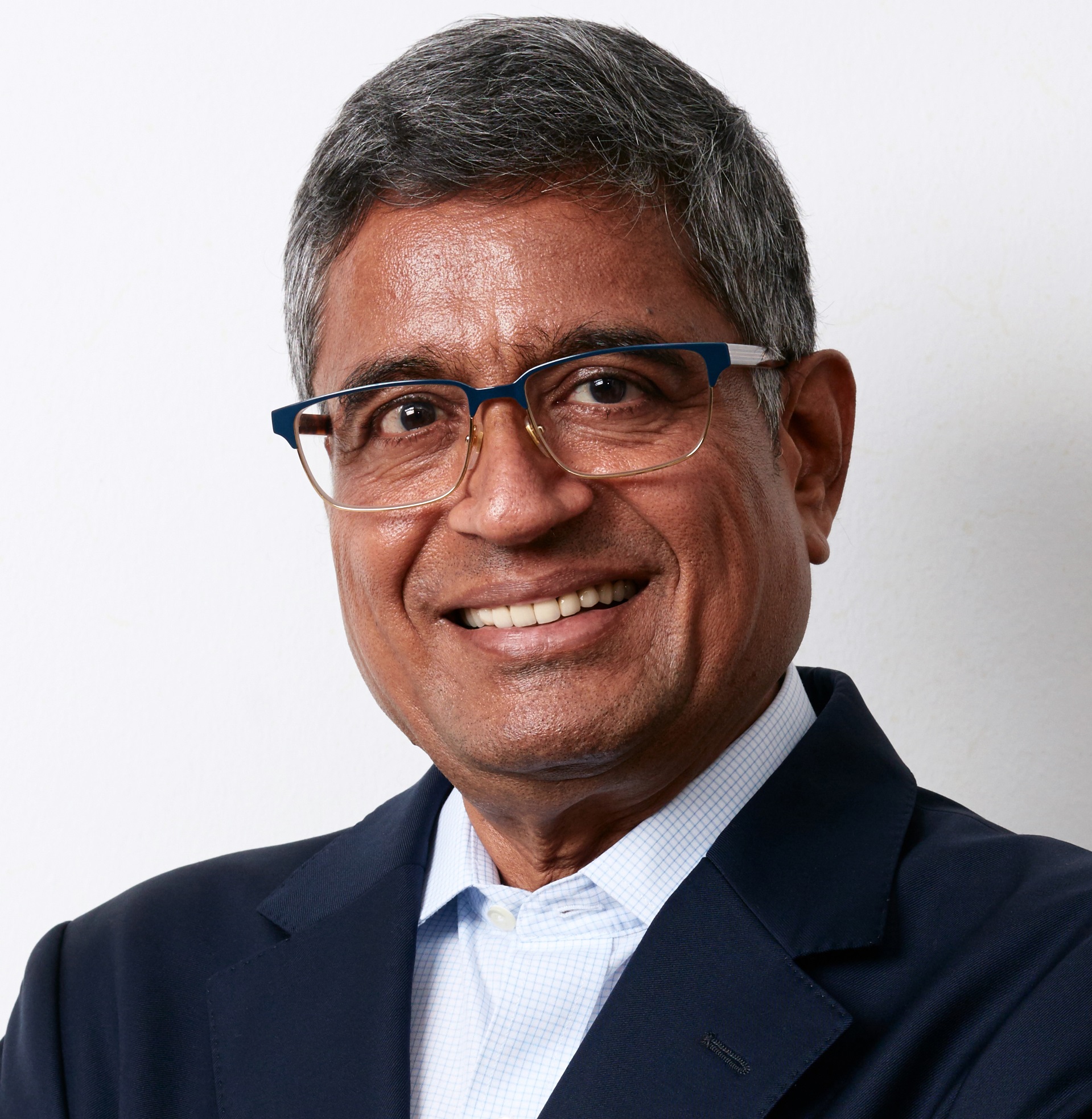
Mr. Rajeev Singh, Managing Director, BenQ India and South Asia – “The Union Budget 2026 makes a clear statement on reimagining education as a direct driver of employability and economic growth. The proposed Education-to-Employment Standing Committee acknowledges the urgent need to align learning with industry demand and the accelerating impact of technologies such as artificial intelligence. Initiatives such as Content Creator Labs in 15,000 schools and the development of university townships near industry corridors mark an important shift towards hands-on, technology-enabled, and industry-connected learning environments. These measures will encourage creativity, collaboration, and real-world skill development across K-12 and higher education.
Together with continued support for domestic manufacturing and the semiconductor ecosystem, the Budget creates a strong foundation for modern digital classrooms and future-ready campuses. It enables education and enterprise technology providers to play a meaningful role in building skills, improving learning outcomes, and preparing India’s talent base for global competitiveness. It will be good to see how these initiatives take shape in the coming days, and we will support them to the best of our ability.”
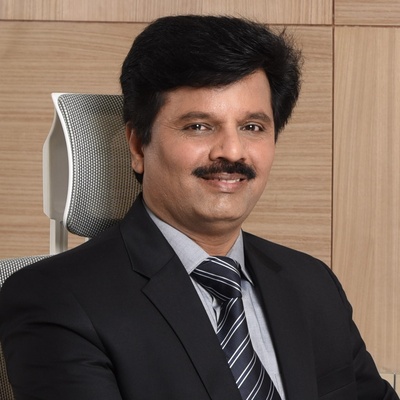
Hemant Tiwari, managing director & vice president, India & SAARC, Hitachi Vantara, “The Union Budget 2026-27 is a significant step in strengthening India’s digital and data infrastructure. By providing long-term incentives and a clear safe harbour framework for data centres and cloud services, the government is creating an ecosystem that encourages global investment and drives technological innovation. These measures will accelerate the growth of world-class data centres, enable secure and efficient cloud operations, and foster the adoption of emerging technologies such as AI. By supporting infrastructure development across Tier 2 and Tier 3 cities and facilitating a robust digital services ecosystem, the budget positions India to become a global hub for data, cloud, and IT services, while creating new opportunities for talent and sustainable economic growth”

Mr. Aditya Khemka, Founder & Managing Director, CP PLUS – “The Union Budget 2026 signals a decisive shift in India’s technology and security journey, with a clear focus on building capability at home. The strengthened push under the India Semiconductor Mission 2.0 is not only about self-reliance, but about ensuring that the intelligence, computing power, and hardware powering next-generation AI systems are designed and manufactured in India. The government’s emphasis on artificial intelligence reflects a move from experimentation to real-world, mission-critical deployment.
As AI becomes central to public safety, surveillance, and smart infrastructure, this Budget lays the foundation for scalable, secure, and responsible adoption across the country. For homegrown technology companies, this policy clarity creates long-term confidence to invest locally, innovate for Indian needs, and build globally competitive solutions. It positions India not just as a consumer of advanced technologies, but as a trusted creator of AI-led security and infrastructure solutions aligned with the vision of Make in India.”

Mr Rajesh Doshi Director and Co-Founder at Zebronics , “The Union Budget 2026 sends a strong and timely signal towards strengthening India’s electronics manufacturing backbone in line with the Viksit Bharat vision. The emphasis on empowering MSMEs, developing rare-earth and component supply corridors, and reinforcing core manufacturing capabilities will be crucial in building resilient domestic ecosystems. Equally important is the government’s intent to simplify taxation and improve ease of doing business, enabling manufacturers to deploy capital more efficiently toward growth and innovation. For Zebronics, this direction aligns seamlessly with our long-term commitment to local manufacturing and our readiness for the next phase of consumer electronics demand in India.”
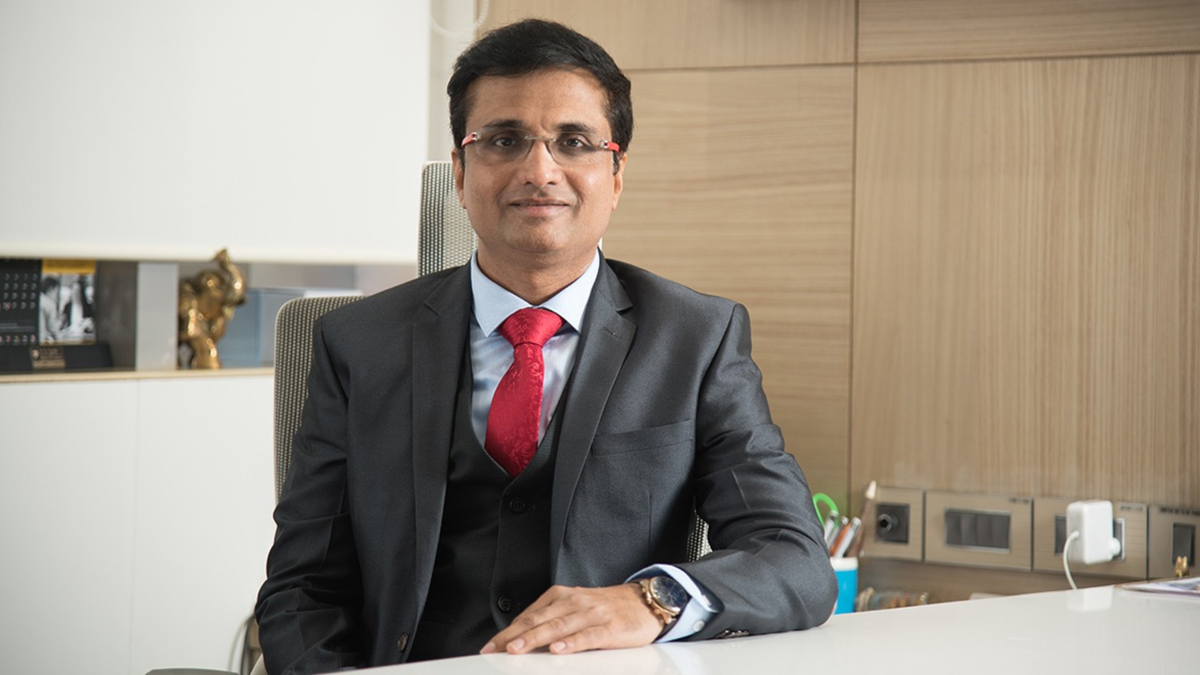
Dr. Kailash Katkar, CMD, Quick Heal Technologies Limited, “We thank the Government of India for a forward-looking Budget that places strong emphasis on cutting-edge technologies including AI, digital public infrastructure and expansion of IT and cloud services as well as entrepreneurship at grassroots. The focus on AI-driven systems in healthcare, agriculture (AgriStack) and education ecosystems significantly expands the digital footprint of citizens, making data protection and consumer cyber resilience increasingly critical. Initiatives such as AVGC labs in schools, National Digital Knowledge Grid for tourism, Medical Value Tourism hubs and large-scale skilling programmes further underline the importance of safeguarding personal data, digital identities, and the need for self-reliant indigenous cyber resilience. With a legacy of over 30 years, Quick Heal and Seqrite’s cutting edge cybersecurity solutions have been at the forefront of protecting individuals, businesses, enterprises and govt organisations against evolving digital threats ensuring that India accelerates towards a digitally empowered society.”
Dr. Sanjay Katkar, Joint Managing Director, Quick Heal Technologies Limited, “We appreciate the Government’s strong thrust on digital acceleration across services, cloud infrastructure and data centre ecosystems, which will significantly expand how enterprises, institutions and citizens engage with digital systems. The extension of tax holidays for cloud services, safe harbour frameworks for IT services, and large-scale investments across financial services, logistics, healthcare, education and tourism will lead to deeper adoption of AI-driven and data-led platforms.
With initiatives such as AgriStack integration with AI, digital education ecosystems, medical value tourism hubs and large-scale skilling programmes, cyber resilience becomes foundational to this growth. I am confident that with over three decades of shaping cybersecurity in India, Quick Heal and Seqrite remain committed to protecting country’s digital frontiers and enabling individuals and organisations of all sizes to remain resilient as part of the country’s digital transformation journey.”
Manoj Nair, Head of Applications, Fujitsu, “The Hon’ble Finance Minister has presented a forward-looking Union Budget that strongly reinforces India’s Viksit Bharat ambition, and conducive policies to make India a global technology hub. There is a huge focus on AI by positioning it as a force multiplier, combined with robust policies to support the growth of data centres. The launch of the India Semiconductor Mission 2.0 will accelerate the development of a resilient semiconductor ecosystem, spanning materials, equipment, full-stack IP design, and enhancing supply chains. The move to approve Safe Harbour for IT services through an automated, rule-based mechanism is a significant reform that enhances ease of doing business and provides certainty in taxation for the industry. Equally encouraging is the focus on positioning data centres as critical infrastructure, along with the proposal to extend tax holidays till 2047 for global cloud service providers operating from India. Together, these measures will help in boosting investor confidence, enhance innovation, create long-term growth opportunities for semiconductor and IT services companies, including data centre players, while further strengthening India’s role in the global technology value chain.”

Subhasis Majumdar, Managing Director, Vertiv India, “The Union Budget 2026-27 positions India as a serious global player in digital infrastructure and cloud services. The long-term tax holiday for foreign cloud companies until 2047 is a game-changing move. This move will dramatically improve investment and make India significantly more competitive. As a global leader in critical infrastructure that powers data centres, AI factories, hyperscale campuses, and cloud environments, we see this as a direct accelerator for the high-density, high-efficiency facilities that will define tomorrow’s digital economy. Our advanced power systems, liquid cooling technologies, and integrated rack solutions are purpose-built to support exactly this scale of sustainable, AI-ready build-out. Equally important is the much-needed relief given to the broader IT services industry. These measures will bring huge relief in compliance burden and allow companies to focus on business growth and innovation. Together, this will attract large global cloud investment, drive massive new data centre capacity, create a huge multiplier effect for power, cooling, critical infrastructure and digital ecosystem players. We firmly believe that this budget will accelerate India’s emergence as a global digital infrastructure powerhouse.”

Harishanker Kannan, CEO & Co-founder of Scalefusion, “With a strong focus on IT services, expansion of data centre infrastructure, cloud adoption, and enabling cross-border digital operations, India’s Union Budget clearly reinforces the country’s ambition to emerge as a leading global digital and technology powerhouse. The policies encouraging cloud innovation, strategic data infrastructure and seamless global connectivity will lay foundation for faster adoption of secure and scalable digital solutions by enterprises around the world. For organisations managing distributed teams and devices, this evolving landscape creates an ideal environment to implement resilient, compliant, and future-ready IT systems at scale, an opportunity we at Scalefusion are proud to help enable.”

Dr. Ramya Chatterjee, Chief of Solitaire, “The Union Budget 2026 sends a strong and timely signal about India’s intent to move up the global value chain in both manufacturing and knowledge-driven services. The enhanced focus on electronic components manufacturing is particularly significant, as it addresses the critical need to deepen domestic value addition, reduce import dependence, and build resilient supply chains. Equally encouraging is the proposal for a High-Powered Education to Employment and Enterprise Standing Committee, which recognizes that infrastructure and incentives alone are not enough – future competitiveness will be defined by talent, innovation, and industry-academia alignment.By prioritizing emerging technologies and future-ready skills, the government is laying the groundwork for a workforce that can power advanced manufacturing, design, and digital services. Together, these measures create a powerful foundation for sustainable growth, stronger global partnerships, and positioning India as a trusted hub for high-value electronics and technology-led solutions.”


