

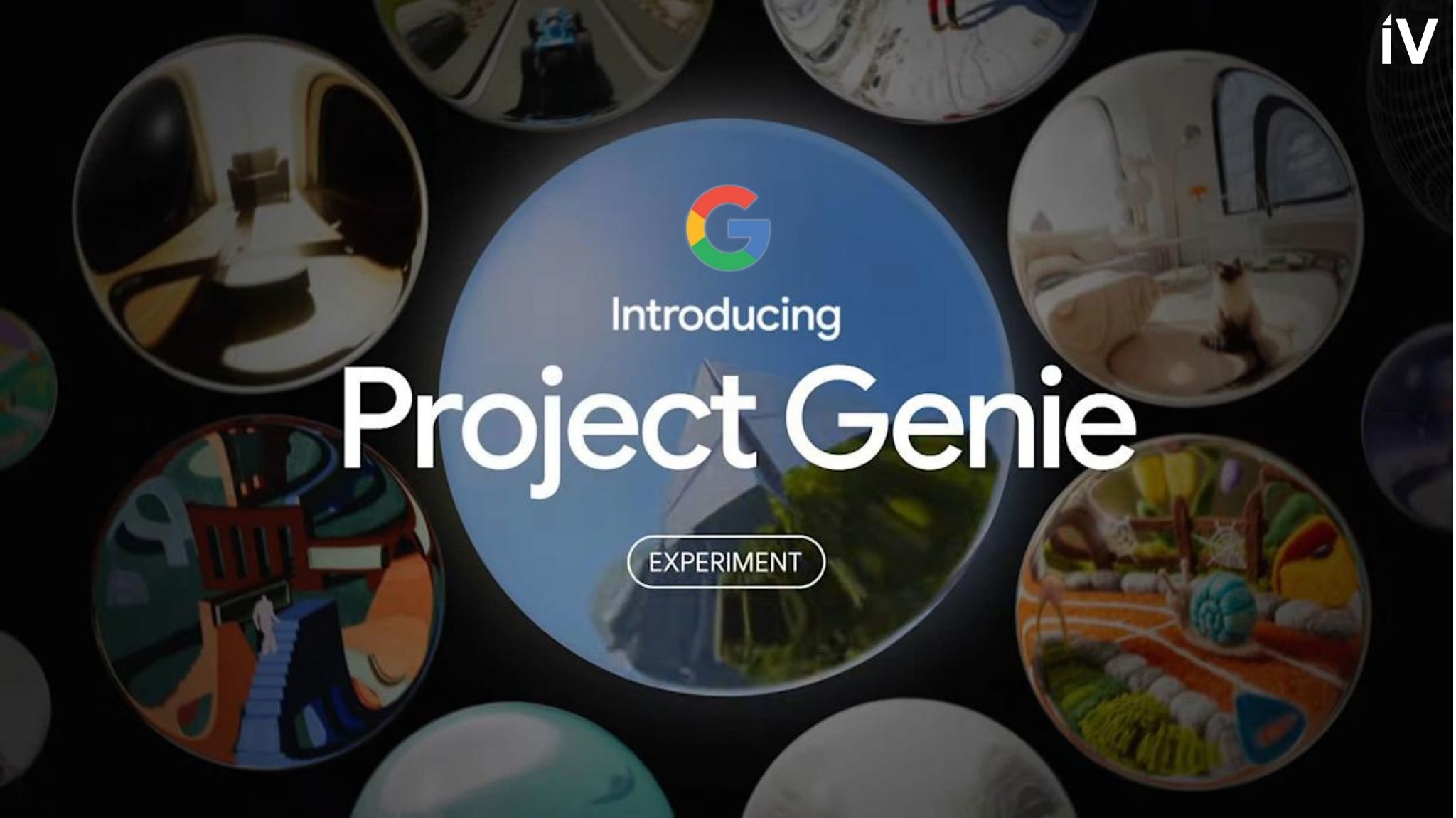
Google DeepMind has officially launched Project Genie, a groundbreaking web-based experiment that allows users to create and explore fully interactive, AI-generated 3D worlds. Powered by the Genie 3 “world model” alongside Gemini and Nano Banana Pro, this platform shifts the focus from static image generation to dynamic, playable environments that render in real time as a user navigates them.
How It Works The experience begins with “World Sketching,” where users provide simple text prompts or upload images to define a setting and character. Whether it is an astronaut in a space station or a fantasy forest, the AI interprets these inputs to build a navigable space. Users can then explore these worlds from a first-person or third-person perspective, with the ability to walk, fly, or drive. Unlike traditional video games that rely on pre-designed assets, Project Genie generates the terrain and physics-based interactions on the fly, ensuring a unique experience for every session.
The Road to AGI and Practical Uses While currently an experimental prototype limited to 60-second sessions for Google AI Ultra subscribers in the US, Project Genie represents a significant step toward Artificial General Intelligence (AGI). Google envisions these “world models” as vital for training robots in simulated environments, prototyping video games, and creating immersive historical or educational walkthroughs. Although some limitations like character lag and physics glitches persist, the tool’s ability to “remember” previously visited areas provides a level of visual consistency never before seen in generative AI. By allowing users to remix existing worlds and share their explorations, Google is opening a new frontier in creative media and spatial intelligence.