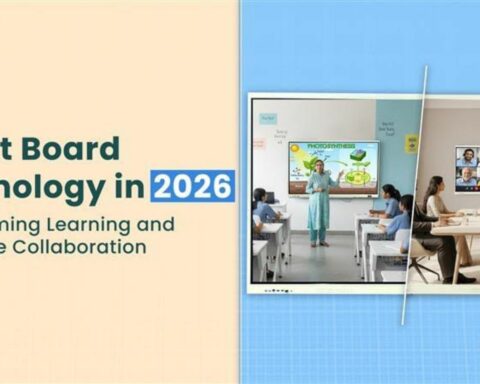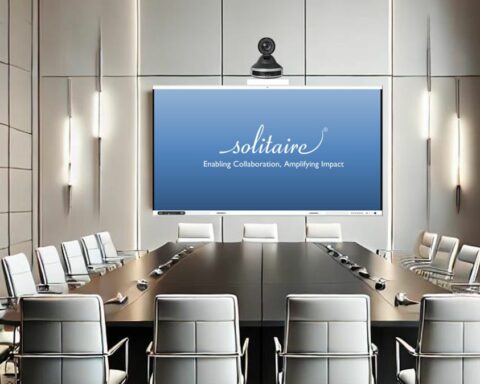
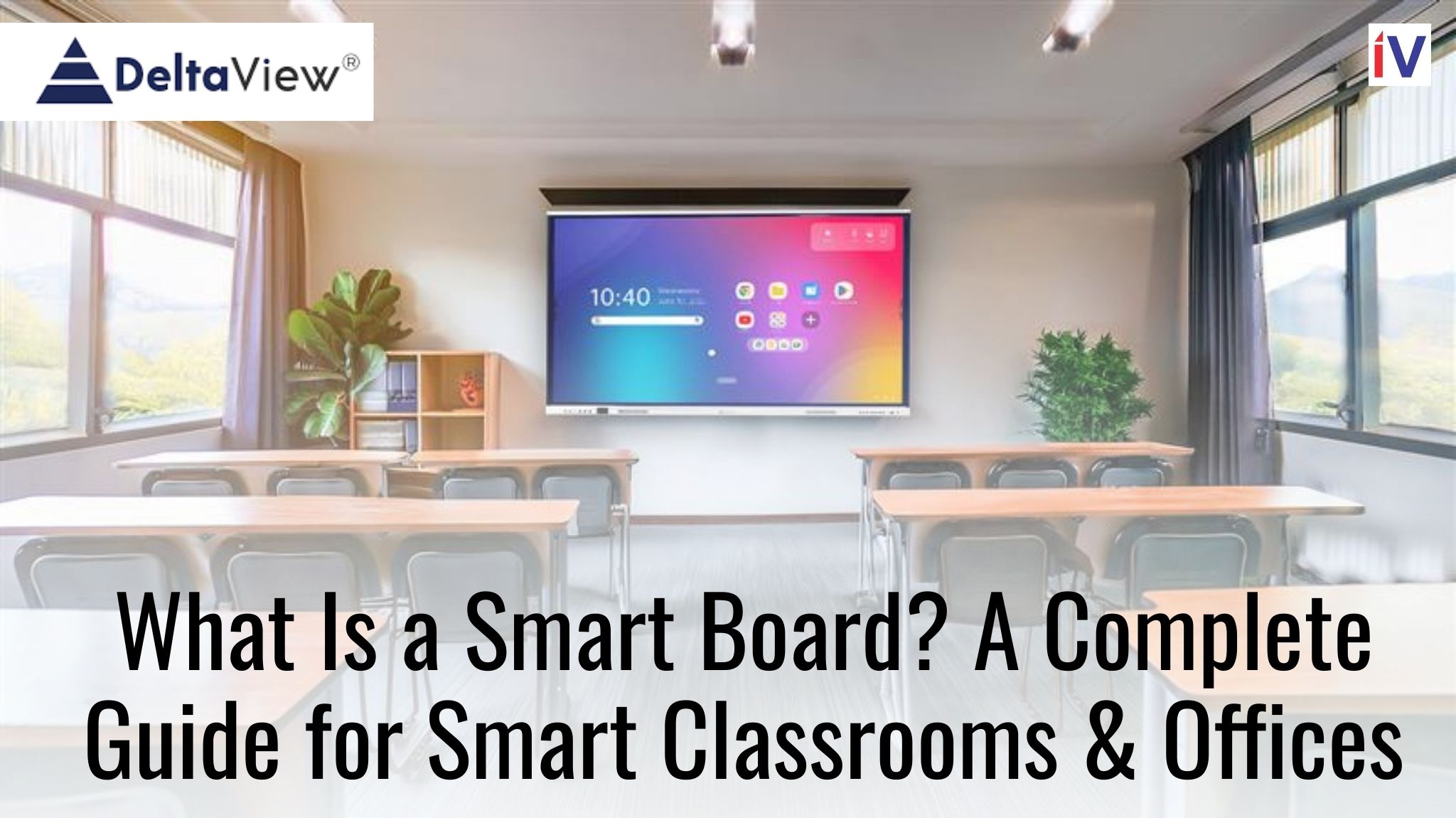
Gone are the days when we were dependent on the traditional board, now this is digital era. Every school and boardroom now being updated day by day. Smart board allows users to write, draw, present, and interact with content directly on the screen. By combining visual clarity with real-time interaction, smart boards make learning more engaging and meetings more productive. They support digital content, save time, and improve understanding, making them an essential tool for modern education and professional environments.
What is smart board?
A smart board is a large display screen designed for interactive teaching and collaboration. It lets users explain ideas visually by writing, highlighting, and displaying digital content in real time. Unlike traditional boards, a smart board can show videos, presentations, and online resources, making it useful for modern classrooms and offices where clear communication and active participation are important.
How the Meaning of “Board” Has Changed
For years, boards were traditional tools. They never responded, never stored information, and never helped beyond the moment they were used. As learning styles changed and work environments became faster, these limitations became obvious. Teachers needed visual support. Students needed engagement. Offices needed clarity, not more meetings.
The board had to evolve—and it did. Smart boards didn’t appear because technology could make them. They appeared because people needed something better.
Why Smart Boards Feel Natural to Use
One reason smart boards are adopted quickly is that they don’t feel complicated. Most people already use smartphones and tablets daily. Smart boards work in a similar way. You touch, swipe, zoom, write, and move things around. There’s no learning curve that scares people away.
At DeltaView, this simplicity is intentional. When a teacher or professional walks up to the board, they shouldn’t need instructions. The board should make sense immediately.
The Real Impact of Smart Boards in Classrooms
The biggest change smart boards bring to classrooms is not technology—it’s attention. When lessons become visual and interactive, students naturally focus more. A concept explained with diagrams, images, and live annotations stays in the mind longer than one explained only with words.
Teachers often tell us that classrooms feel calmer after installing smart boards. That’s not because students are silent. It’s because they’re engaged.
A science diagram can be built step by step. A math problem can be solved together. A geography lesson can move across maps instead of staying on a page.
Learning becomes something students experience, not just hear.
Helping Teachers Teach, Not Perform
Teachers already work hard. Technology should support them, not pressure them.
Smart boards reduce repetitive work. Lessons can be saved and reused. Notes don’t vanish after one class. Visual resources are always ready.
This allows teachers to focus on teaching itself—answering questions, explaining ideas differently, and connecting with students who need extra support.
In many ways, smart boards give teachers their time and energy back.
Smart Boards in Offices: Where Ideas Finally Stay Visible
In offices, smart boards solve a different problem—scattered communication.
Meetings often involve laptops, notebooks, slides, and conversations happening at the same time. Important ideas get lost. Decisions get delayed.
A smart board brings everything into one shared space.
When teams brainstorm on a smart board, ideas don’t disappear. They remain visible. They can be refined, questioned, and improved in real time.
This leads to better discussions and clearer outcomes.
Beyond Slides: Real Collaboration
Smart boards are often mistaken for presentation screens. In reality, presentations are just a small part of their use. Documents can be edited live. Plans can be drawn visually. Feedback can be captured immediately instead of being forgotten.
In training sessions, this makes learning more interactive. In strategy meetings, it makes thinking more structured. People stop watching and start contributing.
Why Smart Boards Are Replacing Projectors
Projectors once felt advanced, but they come with limitations. They depend on lighting, require alignment, and don’t allow natural interaction. Smart boards remove these obstacles. The screen is always clear. Writing feels direct. There’s no separation between the user and the content. Over time, this reliability matters—especially in environments where the board is used every single day.
Smart Boards as the Heart of Smart Classrooms
A smart classroom is not defined by devices. It’s defined by how effectively learning happens. Smart boards support different learning styles without extra effort. Visual learners see concepts clearly. Interactive learners participate directly. Teachers adapt lessons instantly. This flexibility is what makes smart boards so valuable in education.
Why Enterprises Are Investing in Smart Boards
Modern businesses rely on speed, clarity, and collaboration. Smart boards help teams align quickly. They reduce misunderstandings. They make hybrid meetings more inclusive by keeping information visible and shared. For enterprises focused on productivity, smart boards are no longer optional—they’re practical tools.
DeltaView’s Philosophy on Smart Boards
At DeltaView, we don’t believe in building technology just to add features. Our smart boards are designed based on real usage—classrooms where lessons happen daily and offices where decisions matter. Stability, ease of use, and long-term performance come first. A smart board should work quietly in the background, supporting people without getting in their way.
Installation, Training, and Ongoing Support
A smart board only delivers value when people feel confident using it. That’s why DeltaView focuses on proper installation, basic training, and reliable after-sales support. We believe adoption is as important as the product itself.
Looking Ahead
As education becomes more digital and workplaces more collaborative, smart boards will continue to evolve. But their purpose will remain unchanged: helping people explain, understand, and work better together.
Final Thoughts
A smart board is not about replacing traditional teaching or meetings. It’s about improving them.
In classrooms, it helps teachers teach clearly and students learn actively. In offices, it helps teams think visually and act decisively.
From DeltaView’s perspective, smart boards are not just displays. They are tools that bring clarity to ideas—and that’s something every classroom and office needs.