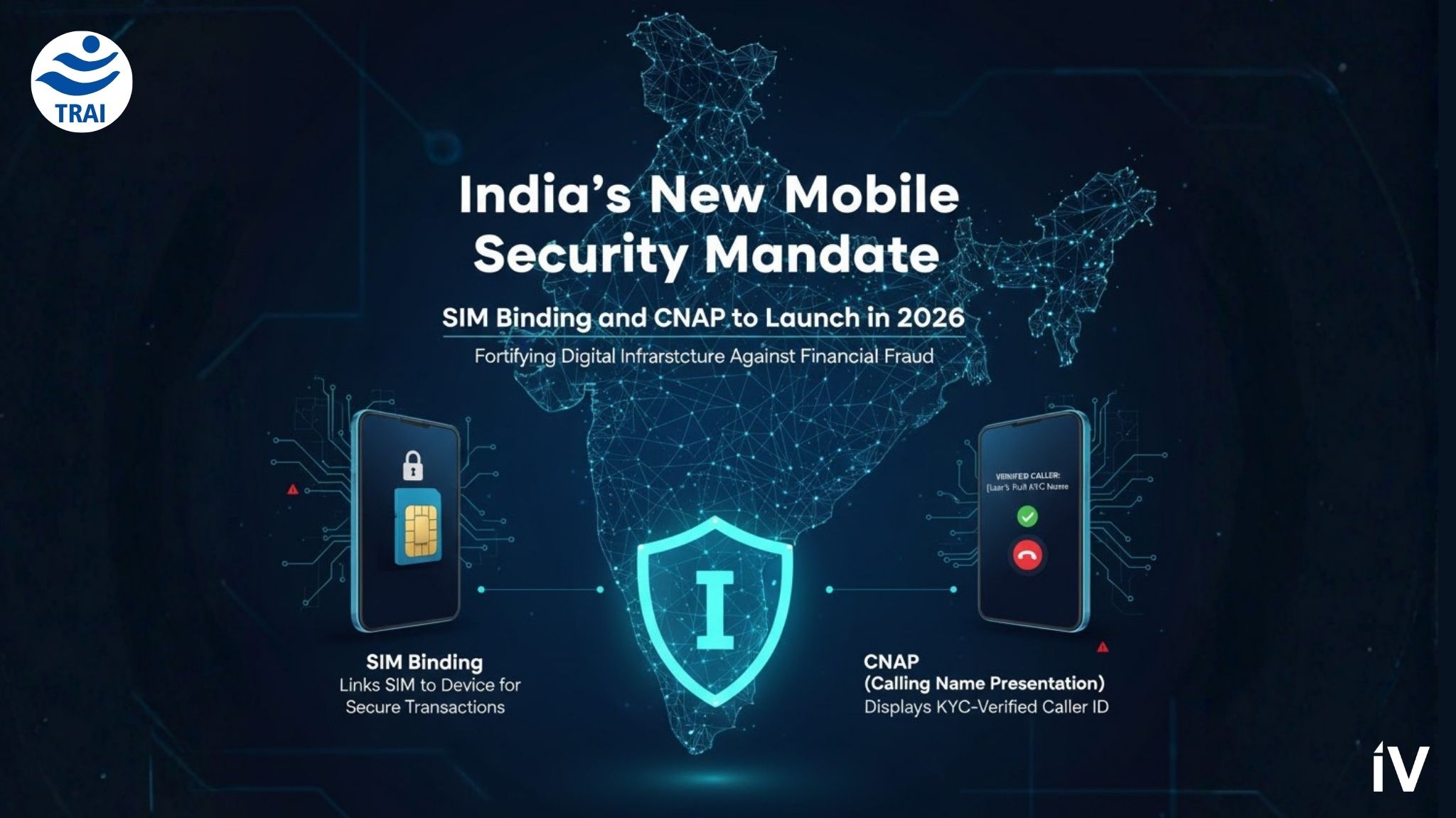
In an aggressive move to fortify the nation’s digital infrastructure, the Indian government has announced a suite of stringent mobile security regulations set to take effect in 2026. The new framework focuses on two primary pillars: mandatory SIM binding and the widespread implementation of the Calling Name Presentation (CNAP) service. These measures are designed to systematically dismantle the loopholes currently exploited by cybercriminals to conduct financial fraud and identity theft.
The Power of SIM Binding
The cornerstone of this initiative is “SIM Binding,” a security protocol that creates a permanent digital link between a user’s SIM card and their specific hardware device. Currently, many banking and financial applications rely on SMS-based One-Time Passwords (OTPs) for verification. However, sophisticated scammers often use “SIM Swapping” or “SIM Mirroring” to intercept these codes on secondary devices, allowing them to drain bank accounts remotely.
Under the 2026 rules, critical applications—particularly those involving financial transactions—will only function if the registered SIM is physically present in the “bound” or authorized device. By locking the digital identity to the hardware, the government aims to render stolen credentials useless unless the attacker also has physical possession of the victim’s phone, significantly raising the barrier for digital intruders.
Transparency via CNAP
Complementing SIM binding is the mandatory rollout of CNAP (Calling Name Presentation). While many users currently rely on third-party apps like Truecaller to identify unknown callers, these services often rely on crowdsourced data which can be inaccurate or manipulated. The government’s CNAP mandate will require telecom providers to display the actual name registered in the official Know Your Customer (KYC) records for every incoming call.
This shift ensures that when a user receives a call, they see the government-verified identity of the caller rather than a nickname or a fake business name. This transparency is expected to drastically reduce the success rate of “vishing” (voice phishing) scams, where attackers impersonate bank officials or government authorities to extract sensitive information.
Closing the Cybersecurity Gap
These regulations come at a time when India is witnessing a surge in sophisticated cybercrimes. By integrating hardware-level security with verified caller identification, the 2026 rules represent a proactive shift from reactive policing to preventive technology. For mobile users, this means a significantly safer digital environment, though it may require a one-time setup process to “bind” their devices. As the 2026 deadline approaches, telecom operators and app developers are expected to begin transitioning their systems to comply with these robust new safety standards