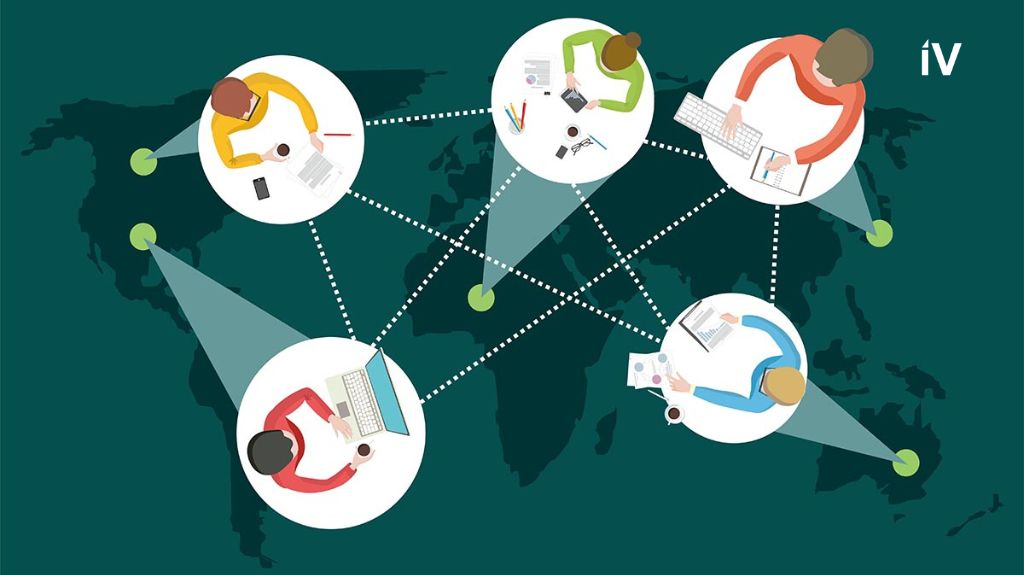
Many companies nowadays have adopted remote or hybrid work. However managing a team of employees who are all working from home and at different hours presents challenges of its own, and if not addressed could affect productivity.
The good news is that with the right approach you can not only ensure that productivity is not affected, but also allow your remote team to thrive. Right now, we’re going to look at the 4 best practices that you need to accomplish that:
-
Prioritize Clear and Consistent Communication
Remote work relies heavily on clear communication between employees and management. All parties need to be on the same page, and be absolutely clear about what they need to do.
It is best to start by designating specific communication channels for specific purposes – such as Slack for quick updates, Zoom for face-to-face meetings, and project management tools like Asana or Trello to track tasks. Set expectations for response times, and make it a point to share updates, clarify goals, and check-in regularly.
-
Leverage Employee Monitoring
Using an employee monitoring or time-tracking app like Controlio can help you to manage remote employees more effectively. It will give you the means to take attendance by tracking when they start working, when they stop, and also identify whether they’re active or idle so you know if they’re taking any breaks.
Essentially, Controlio can be used to promote accountability in a fair and unbiased manner. It will track employee activities including the apps they use and websites they visit, so you can tell what they’re doing at any given point in time. It will also calculate a productivity score that you can use to identify issues and workflow bottlenecks.
-
Promote a Strong Team Culture
One of the major problems with remote work is that it feels isolating. To counter that you should focus on building a tight-knit team and promote a strong team culture by encouraging employees to socialize, celebrating achievements, and providing a space for feedback.
-
Pair Flexibility with Accountability
The biggest perk of working remotely is flexibility, and you want to encourage that. However it should be paired with accountability with firm deadlines while using tools like employee monitoring software to ensure employees stay on task.
It is important to trust your employees and give them space to get the job done without micromanaging. At the same time you should set clear boundaries and expectations that need to be met.
Conclusion
Following these best practices should help you to weather the challenges of remote work, while benefiting from its advantages. It is proven that employee satisfaction increases from remote work, and that on its own can help improve productivity.
At the end of the day, as long as your approach is solid and consistent, you should be able to effectively manage your remote teams and improve their productivity. Just remember to always make it a point to be proactive when approaching any challenges that come your way.