

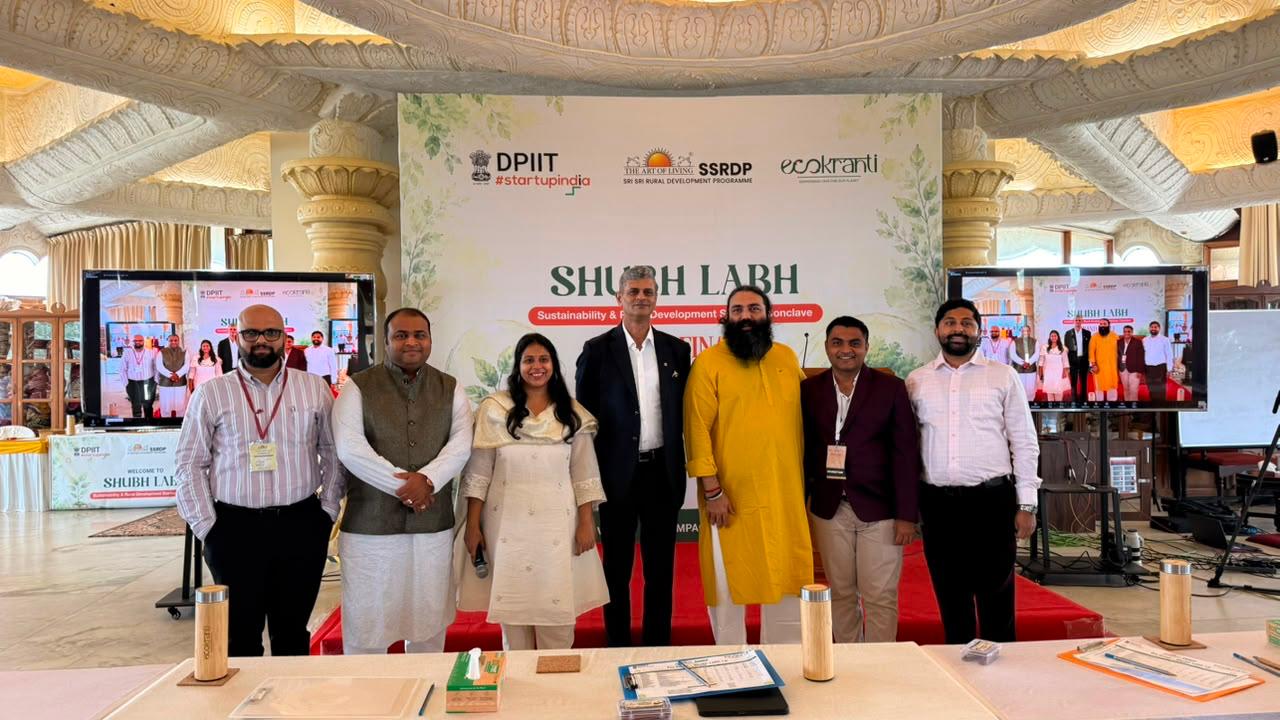
Received more than 900 entries and 250 plus startups, researchers and innovators from across India participated in the first edition of Eco Kranti Shubh Labh 1.0 National Summit, 30 plus startups selected as well a two-day sustainability and social innovation conclave organized by Eco Kranti, an initiative of the Sri Sri Rural Development Programme (SSRDP), in collaboration with Startup India and the Department for Promotion of Industry and Internal Trade (DPIIT).
Held at The Art of Living International Centre in Bengaluru, the summit brought together entrepreneurs, investors, policymakers, researchers and industry leaders to accelerate sustainable and climate-positive innovations emerging from across the country.
Speaking on the occasion, Devang Vora, Founder of Eco Kranti & Director of SSRDP, said, “Shubh Labh is the flagship innovation, incubation, and acceleration platform of SSRDP ECOKRANTI, committed to nurturing at least 1,000 high-impact startups by 2030 across sustainability, rural development, climate action, circular economy, agritech, waste management, clean technologies, and social innovation.
Our mission is to discover, incubate, mentor, fund, and scale purpose-driven enterprises emerging from villages, rural India, and semi-urban communities, transforming local challenges into globally scalable solutions while building a prosperous and sustainable future.”
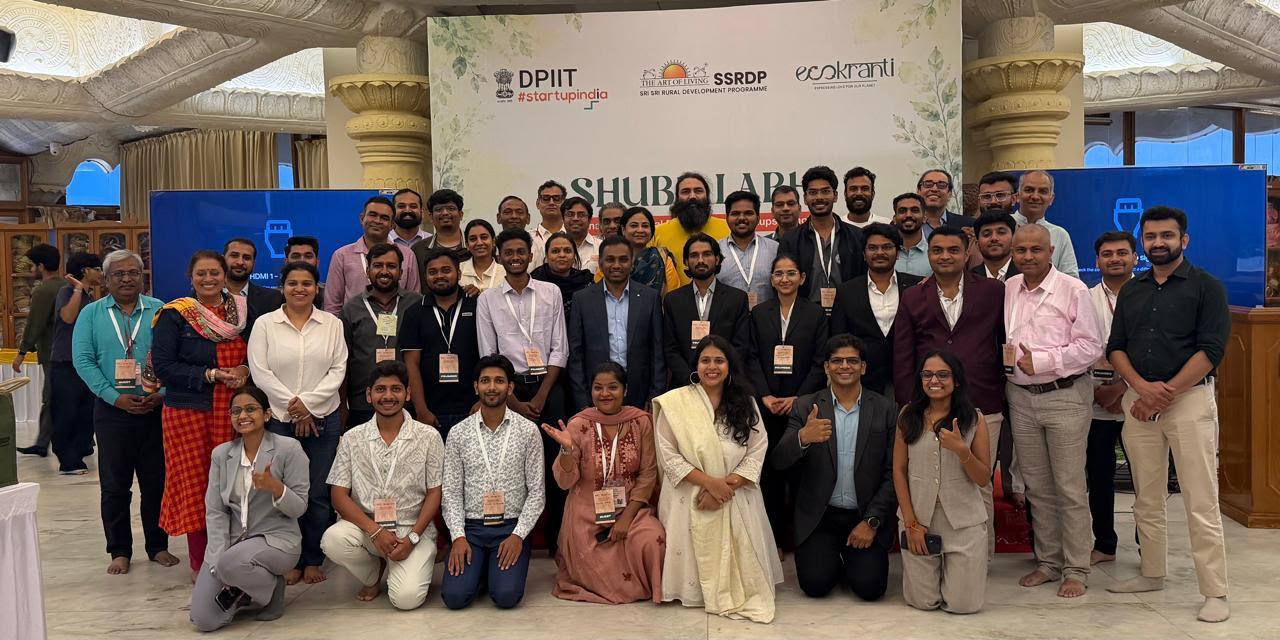 The summit focused on climate technology, circular economy, waste management, green manufacturing, sustainable consumer products and rural innovation, the summit featured live pitching sessions by the top shortlisted startups, investor interactions, mentorship programmes and panel discussions aimed at strengthening the country’s growing impact entrepreneurship ecosystem.
The summit saw participation of leading venture capitalists (VC’s) and ecosystem partners, including Utpal Doshi (Ignition Capital), Ravin Bhadja (Find Me Factory), Kedar Pandya (Wadhwani Foundation) and Ravi Ranjan (Velocity 1, Dubai), who served as jury members, mentors and investors for the Shubh Labh cohort. India Accelerator, Institution’s Innovation Council, Future Age, Finvolve and MotionGility were among the ecosystem partners supporting the event.
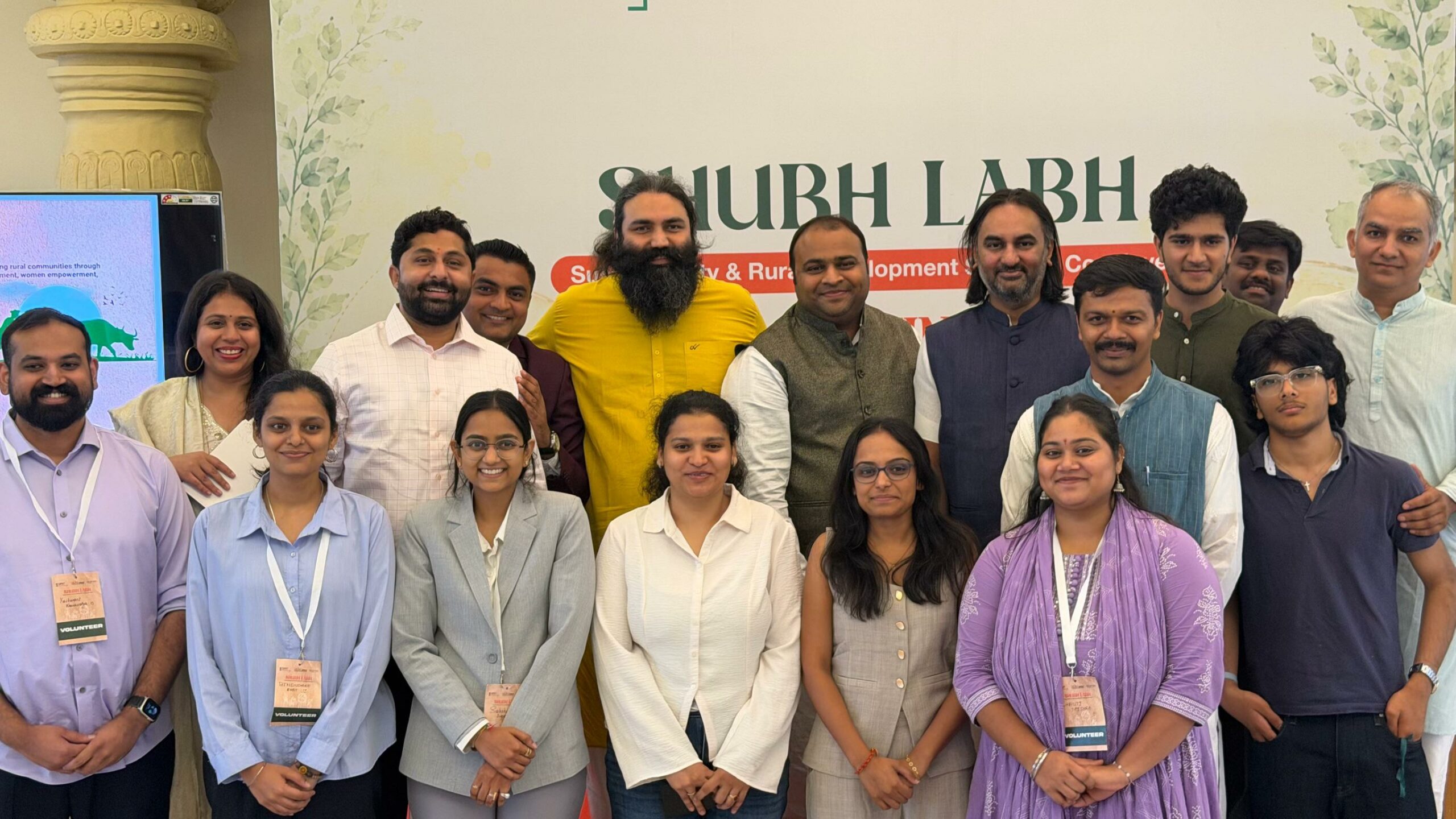 Devang Vora added, with Gurudev Sri Sri Ravishankarji’s blessing, “We believe meaningful change begins at the grassroots. Through Shubh Labh, we aim to nurture 1,000 impact startups by 2030 that will contribute to rural development, sustainability, and India’s transition towards a circular economy.”
The summit also highlighted the growing impact of the Eco Kranti movement. Over the past two years, the movement has reached more than 10,000 households and helped prevent nearly 200 tonnes of single-use plastic waste. It aims to reach 10 lakh households and prevent 1,000 tonnes of single-use plastic waste over the next two years.
Through its Shubh Labh platform, Eco Kranti aims to build a national ecosystem for identifying, mentoring, funding and scaling impact startups with a core focus on sustainability and rural development that are creating sustainable solutions for Bharat while delivering measurable social, environmental and economic impact.